Choosing between aluminium casement vs sliding windows for a renovation, extension, or new build, most homeowners start by comparing glass specifications and frame materials—and overlook how the window actually opens. Yet the opening mechanism shapes everything from daily ventilation and furniture layout to thermal sealing and sightlines.
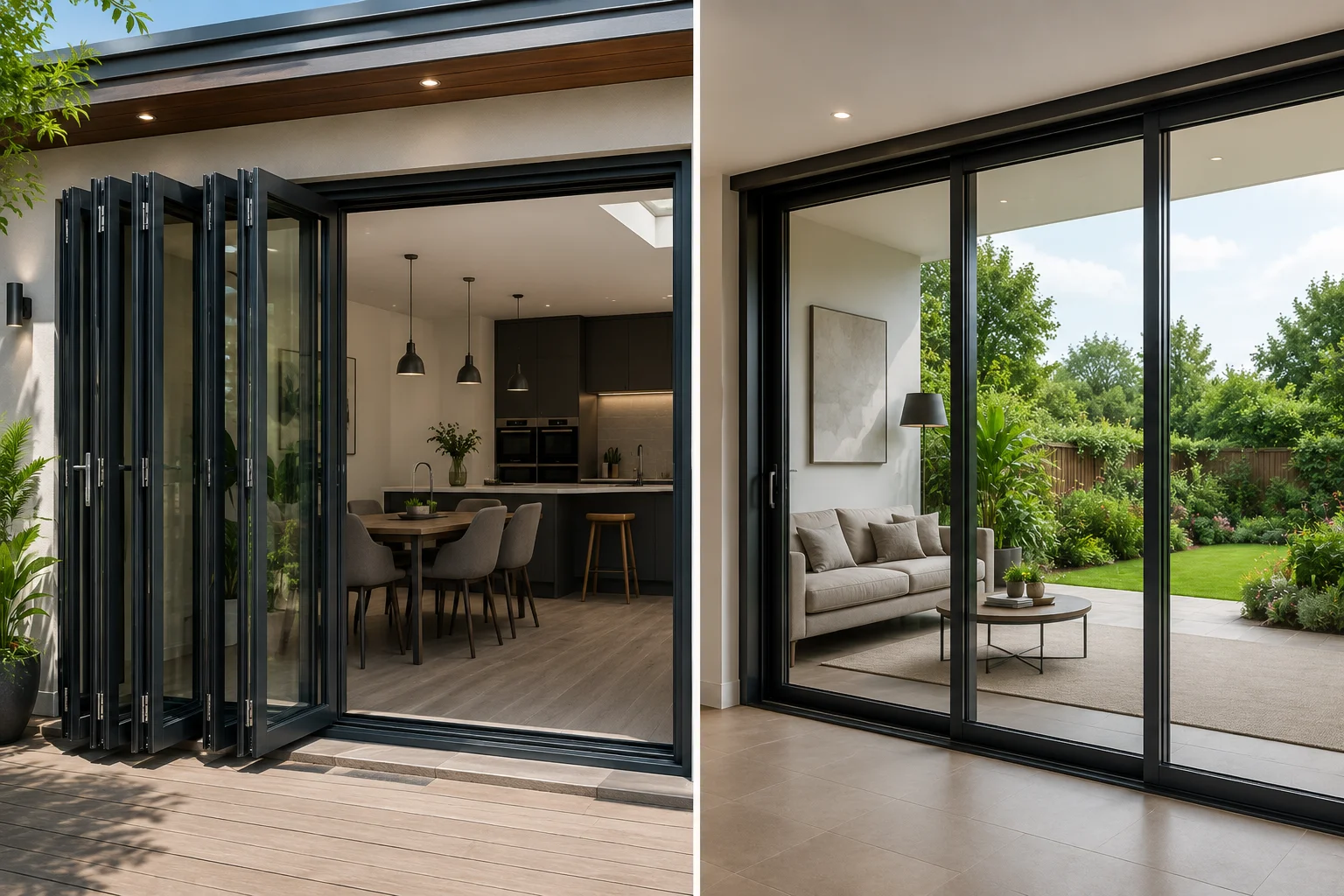
A casement window is hinged at the side or top and swings outward, pressing tightly against compression gaskets when shut to block draughts. A sliding window glides smoothly along a horizontal track without ever projecting beyond the external wall, making it ideal for narrow walkways, patios, and contemporary architecture.
Neither style is universally better; the right choice depends on how you use each room. At Durajoin Aluminium Windows and Doors, we manufacture, supply, and install bespoke glazing across London, Surrey, and Berkshire. This room-by-room guide walks through where each window style performs best so you can specify your project with confidence.
The Quick Difference: Aluminium Casement vs Sliding Windows
| Feature | Aluminium Casement Windows | Aluminium Sliding Windows |
|---|---|---|
| Opening Mechanism | Hinged at the side or top; opens outward via multi-point espagnolette lever handles | Glides horizontally on precision stainless-steel rollers within the frame |
| Ventilation | Up to 100% clear opening; catches cross-breezes effectively | Up to 50% opening (two-pane configuration) |
| Space Clearance | Requires external clearance for the outward-swinging sash | Zero projection inside or outside—ideal beside paths, decks, and worktops |
| Weather & Acoustic Seal | Compression weather seals around the entire perimeter for maximum draught and noise protection | High-density brush and Q-Lon weather seals engineered for smooth gliding |
| Best Architectural Fit | Period homes, bay windows, bedrooms, and classic residential façades | Rear extensions, wide garden spans, and modern minimalist builds |
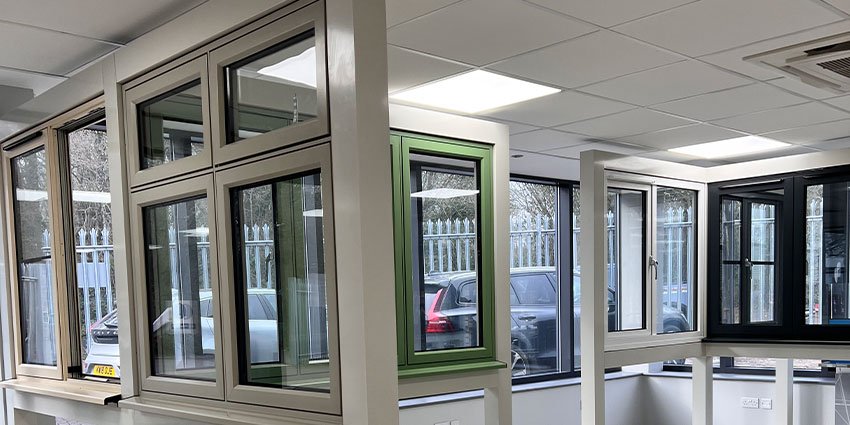
Both styles are available from Durajoin in thermally broken slim-frame aluminium windows, heritage and steel-look aluminium, and aluminium-clad systems, complete with double or triple glazing, Low-E coatings, argon-filled cavities, and warm-edge spacer bars as standard.
Aluminium Casement vs Sliding Windows Room-by-Room Guide
1. Casement or Sliding Windows for Kitchen
Best Pick: CasementKitchens generate intense steam, heat, and cooking aromas that need rapid extraction. An outward-opening casement window provides a full 90-degree opening to clear the air quickly, operated via an ergonomic espagnolette lever handle that is easy to reach over a sink or worktop.
- Design tip: Opt for flush casement aluminium windows in Anthracite Grey (RAL 7016) or Jet Black (RAL 9005) for a clean contemporary kitchen, or specify heritage astragal bars for traditional London terraces and cottages.
- When to choose sliding: If your kitchen window opens directly onto a narrow side return or outdoor seating area where an open sash would get in the way, a horizontal sliding window keeps the walkway completely clear.
2. Living Rooms: Casement vs. Sliding Windows
Best Pick: SlidingLiving spaces typically feature the widest structural openings and benefit most from uninterrupted natural light. Aluminium sliding windows span wide apertures effortlessly with ultra-slim sightlines and no outward-swinging sash obstructing your garden or patio.
- Design tip: Pair wide sliding windows with Durajoin’s aluminium sliding patio doors or slimline bifold doors to create a unified architectural look across the rear of your home.
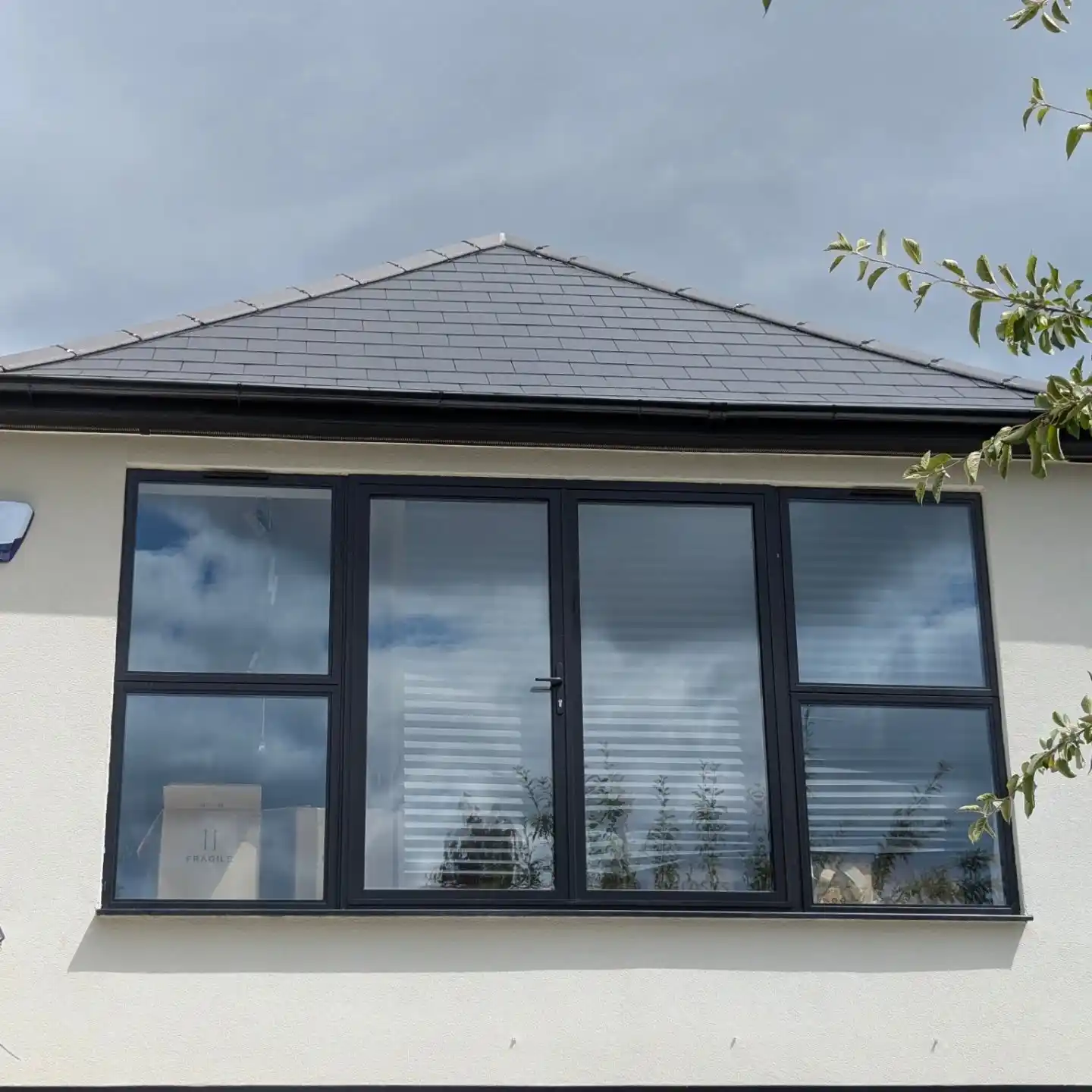
- Bay and bow windows: For classic Victorian and Edwardian front bays, Durajoin combines side-hung casement vents on the angled flanks with fixed picture panes in the centre to preserve period proportions while upgrading thermal efficiency.
3. Best Windows for Bedrooms: Casement or Sliding?
Best Pick: CasementA comfortable bedroom relies on three things: quietness, draught-free warmth, and effective night-time airflow. Because a casement window closes against continuous compression seals, it delivers superior acoustic insulation—essential for homes near busy London roads or flight paths—and locks heat in during winter.
- Building Regulations & safety: Side-hung casements easily achieve the clear opening dimensions required for emergency egress under Approved Document B on upper floors. Durajoin can also integrate child-safety restrictors or supply tilt-and-turn windows for secure, draught-free night ventilation.
4. Bathrooms: Casement vs. Sliding Windows
Best Pick: Top-Hung CasementBathrooms demand targeted steam control without sacrificing privacy. A top-hung casement window allows warm, humid air to escape from the top of the frame while keeping the lower opening sheltered from rain and street-level views.
- Essential specs: Specify obscure or satin-etched privacy glazing alongside Approved Document F compliant trickle vents to prevent condensation build-up year-round. Where an exterior path runs tightly past a ground-floor bathroom, a compact sliding window prevents clashes with passers-by.
5. Loft Conversions: Which Window Style Works Best?
Best Pick: Dormer Casement / Tilt & TurnStandard vertical casements and sliders are rarely suited to pitched roof slopes, where roof windows or skylights take centre stage. However, if your loft conversion includes a rear dormer or gable wall, combining slimline aluminium casements with fixed glazing maximizes headroom, daylight, and cross-ventilation while meeting Part B fire-escape and Part L thermal standards.
6. Rear Extensions & Garden Rooms: Casement vs. Sliding
Best Pick: SlidingModern single-storey and wrap-around extensions are designed to connect indoor living spaces with the garden. Large-format aluminium sliding windows deliver expansive, frame-free views and clean horizontal lines without intruding onto outdoor dining terraces.
- Design tip: Match your extension windows, structural glass roof lanterns, and rear patio doors in the exact same RAL powder-coated finish for a cohesive architectural finish.
Security, Energy Efficiency, and Colours Across Every Room
Whichever opening style you specify, every Durajoin aluminium window is engineered for long-term UK performance:
PAS 24 & Part Q Security
Multi-point espagnolette locking mechanisms, internal glazing beads, and PAS 24-certified hardware options, with laminated security glass available for ground-floor openings.
Thermal & Acoustic Control
Advanced polyamide thermal breaks exceed Part L Building Regulations, while acoustic laminated glazing reduces urban traffic noise across Greater London.
150+ RAL & Dual Colours
Choose Anthracite Grey (RAL 7016), Jet Black (RAL 9005), or dual-colour frames—dark grey outside to suit modern brickwork and crisp white inside.
FENSA / CERTASS Certified
Installed by our in-house fitting teams to full UK Building Regulations standards, backed by official certification and comprehensive product guarantees.
Frequently Asked Questions
Are aluminium casement or sliding windows more energy efficient?
Casement windows generally achieve slightly lower U-values because the sash presses directly against perimeter compression seals when locked. However, modern thermally broken aluminium sliding windows with high-performance Low-E double or triple glazing also comfortably meet current UK Part L thermal standards.
Are modern aluminium windows cold or prone to condensation?
No. Unlike older single-glazed metal frames from decades ago, all Durajoin aluminium windows incorporate a polyamide thermal break—an insulated barrier separating the inner and outer aluminium profiles—paired with warm-edge spacer bars to eliminate cold spots and internal condensation.
Can I mix casement and sliding windows in the same property?
Yes. Mixing styles by room is one of the best ways to balance ventilation, safety, and aesthetics. Because Durajoin manufactures both systems using coordinated aluminium profiles, sightlines, and RAL powder coatings, they look completely seamless together.
How do I know which window style suits my property?
Our technical surveyors assess every opening in your home—checking wall depth, external clearances, acoustic exposure, and Building Regulations requirements—before recommending the ideal configuration.
Compare Both Styles at Our London Showroom
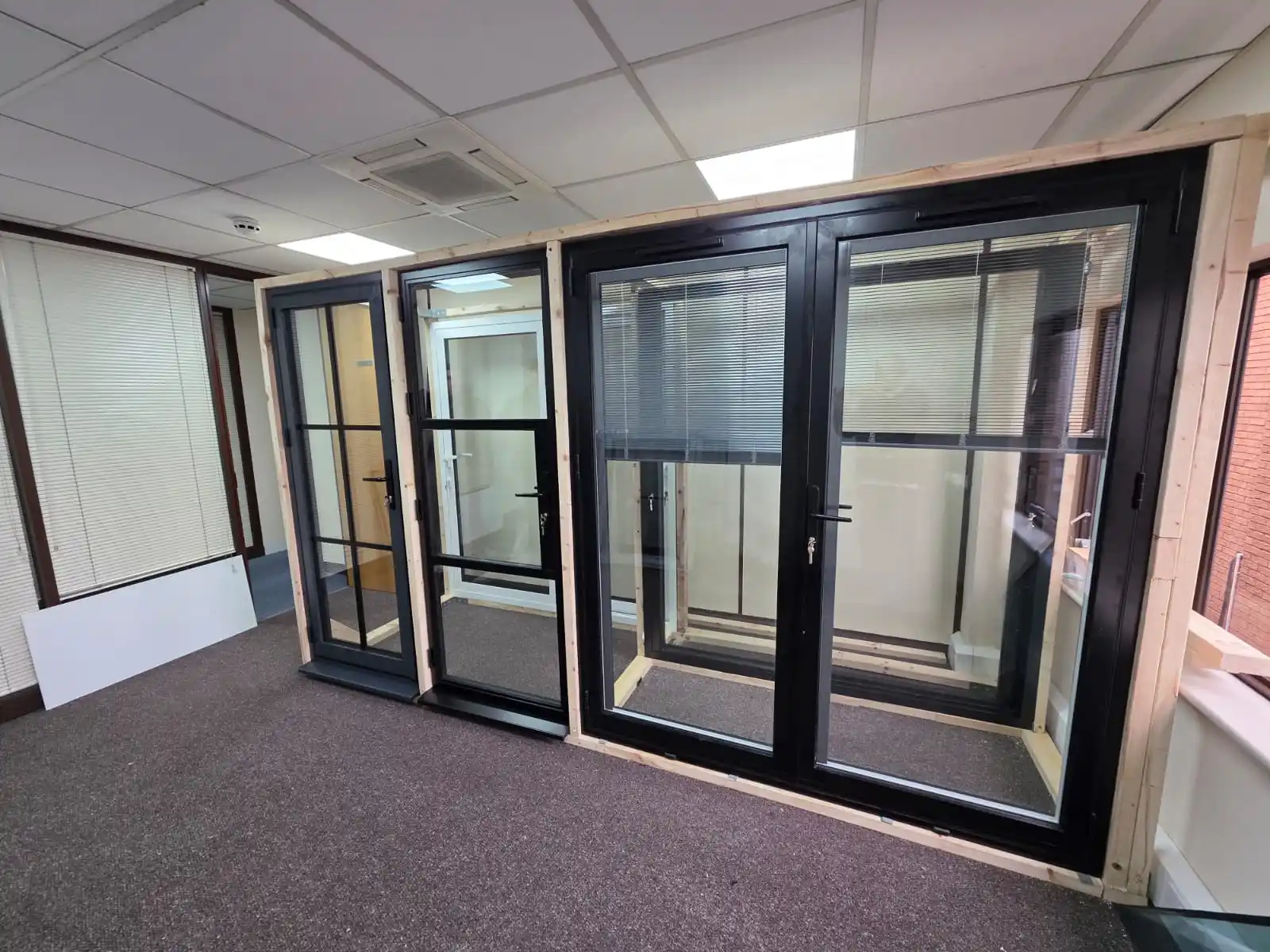
Seeing the difference between a precision-engineered aluminium casement handle and an effortless sliding track makes choosing far easier. Test our full range of casement, sliding, and heritage aluminium systems in person or arrange a free home survey.
Unit 606, Dephna House, 14 Cumberland Ave, London NW10 7QL
Serving Greater London, Surrey & Berkshire