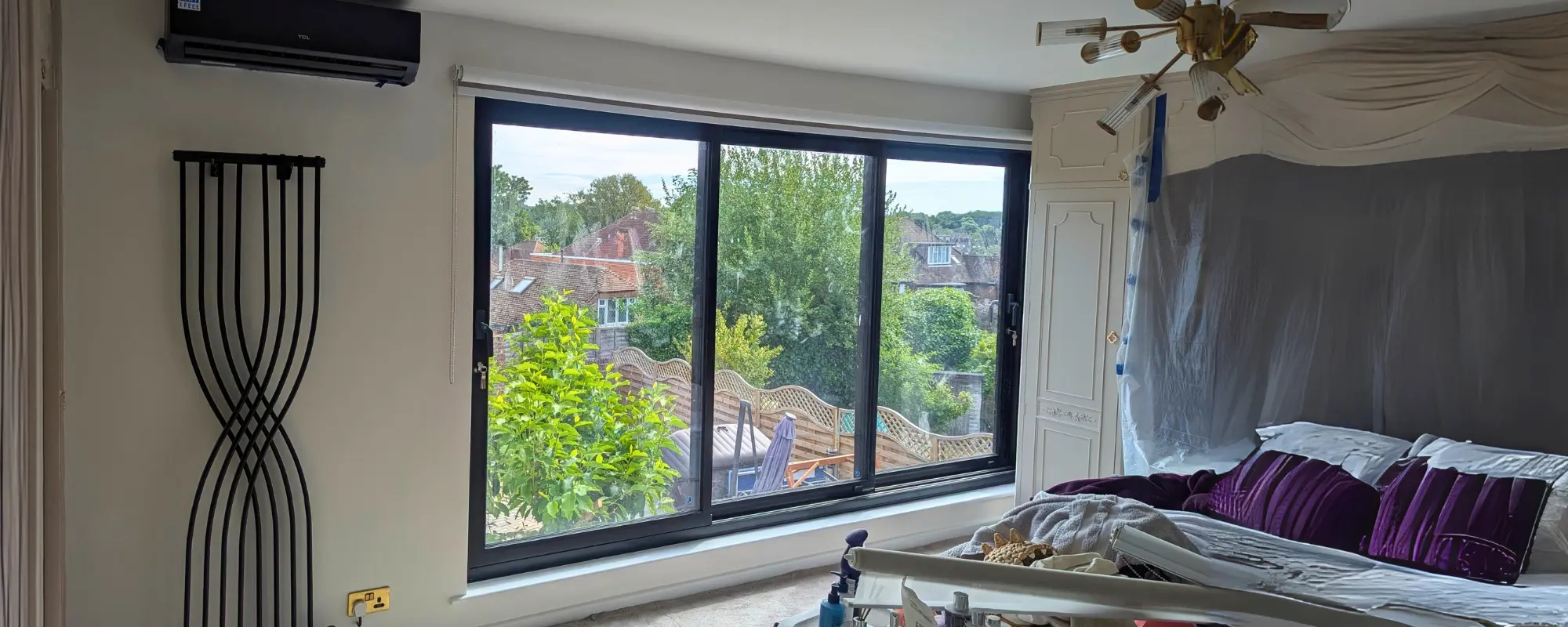
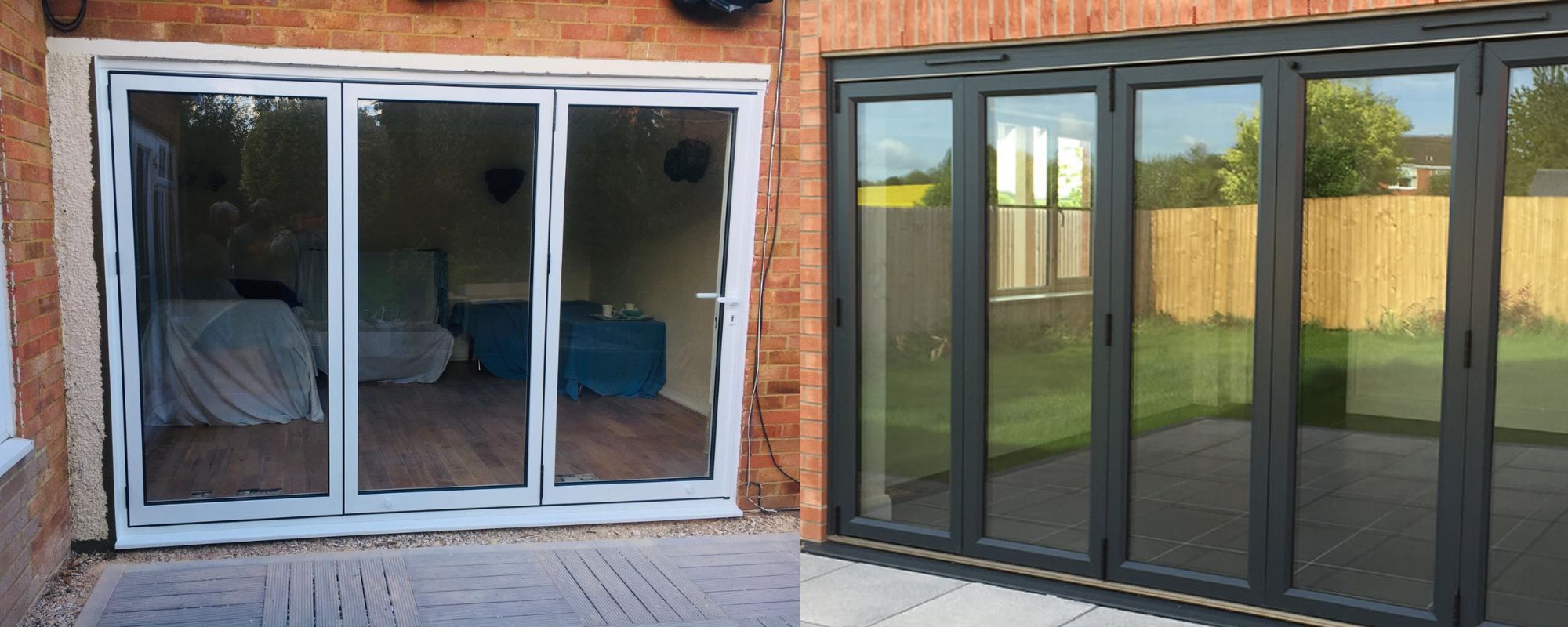
Sliding doors are often part of a bigger plan, like an extension, a home upgrade, or a better flow from inside to garden. Clean lines, more light, and a modern finish sound great… until it’s time to work out the cost.
That’s when things get tricky.
Prices vary widely. Material, size, glazing, and installation all play a role. One quote looks manageable, but the next is double.
This guide breaks down what sliding patio doors really cost in the UK this year, with clear price ranges, key cost factors, and what to expect when budgeting for supply and installation. Sit back and enjoy the read our guide on sliding doors pricing in 2025; your pocket will thank you.
Average Cost of Sliding Patio Doors in the UK (2025 Guide)
Sliding patio doors in 2025 typically cost between £800 and £3,500 for supply only, or £1,500 to £5,500 including installation.
The two biggest factors that affect the price are material and size. Aluminium costs more than uPVC. A three-panel setup costs more than two. Glazing upgrades, custom colours, and hardware can all push the price higher.
Here’s a simple breakdown of what you can expect to pay:
Door Type
Supply Only
Supply and Fitting
uPVC (2-panel)
£800–£1,200
£1,500–£2,200
Aluminium (2-panel)
£1,500–£2,800
£2,500–£4,000
Timber (bespoke)
£2,000+
£3,500–£5,500
Larger doors, triple glazing, or structural changes can push the cost higher, but this table covers the most common setups seen in UK homes today.
What Affects the Cost of Sliding Patio Doors?
Sliding patio door prices aren’t one-size-fits-all. A few key factors have the biggest impact on how much the final total adds up to, both for supply and installation.
Material
The material you choose will make a difference and definitely affect the final quote you get.
uPVC is the most budget-friendly but comes with thicker frames.
Aluminium costs more but offers slimmer sightlines and a modern look.
Timber sits at the top end, which is often bespoke, with a warm finish and more upkeep.
Size & Panel Count
Wider openings or extra panels mean more materials, more glazing, and more labour. A basic 2-panel setup will cost less than a 3- or 4-panel configuration.
Glazing Specification
Basic double glazing is standard, but upgrades like triple glazing, low-E coatings, or laminated glass for security and soundproofing add to the price.
Hardware & Security
Handles, soft-close mechanisms, and high-spec locks come in a range of quality levels. Features like multi-point locking systems or integrated blinds increase both cost and peace of mind.
Installation Complexity
Retrofitting into an existing opening is usually straightforward. Creating a new opening, widening an existing one, or working around structural elements adds labour and may require lintels or additional support.
Pro Tip: Always book a proper site survey before committing to anything. It’s the best way to spot hidden issues, like damaged brickwork, missing lintels, or openings that aren’t square, all of which can raise the final price if missed early on.
Sliding Door Materials Compared: Cost, Durability, Style
Choosing the right material is one of the biggest decisions, not just for price, but also for how the doors will look, feel, and hold up over time. Here’s how the main options stack up:
Material
Cost
Durability
Look & Feel
Considerations
uPVC
£1,500–£2,200
Moderate
Clean but bulky frames
Great insulation, limited style range
Aluminium
£2,500–£4,000
Very high
Slimline, modern, high-end finish
Costs more, excellent long-term value
Timber
£3,500–£5,500+
Depends on upkeep
Warm, natural, traditional
Needs maintenance, fully bespoke
If budget is the priority, uPVC is the go-to. For a sleek, low-maintenance option, aluminium always wins out. Timber fits best in heritage homes or premium builds where character matters most.
How to Budget for Sliding Door Installation
Installation costs vary depending on what’s already in place. For a straight swap with no structural work, the labour can fall as low as £500. More complex jobs, especially those involving large openings, poor access, or extra finishing, can raise the total to £1,500 or more.
A few things to keep in mind:
Structural changes: Enlarging an opening often means adding or upgrading a steel lintel, which adds cost and time.
Access issues: Upper floors, narrow side paths, or internal-only access can make the job harder and more expensive.
Permissions: Depending on the local authority, large openings, listed buildings, or flats may require planning permission or building control approval.
Are Sliding Patio Doors Worth the Cost?
For many homeowners, the benefits of sliding patio doors go beyond just looks.
They improve natural light, create a stronger connection to the garden, and help rooms feel bigger and brighter. Well-installed doors with modern glazing also boost energy efficiency, cutting down on heat loss through large openings.
Over time, they can add value to a home, especially when quality materials like aluminium or bespoke timber are used. Low maintenance and long-term durability make them a smart upgrade for both day-to-day living and future resale.
For most, the upfront spend is offset by the comfort, light, and space they bring to everyday life.
On A Final Note;
Sliding patio doors aren’t a small investment, but the right choice can bring long-lasting value in how the space feels, functions, and performs year-round.
The key is understanding what drives the cost, from materials and glazing to installation complexity.
Planning ahead with a clear budget, a proper site survey, and a fixed quote can help avoid delays or unexpected costs.
If you’re weighing options or working to a specific layout, professional advice can make all the difference, especially when it comes to choosing the right material and making the most of the available space.
If you’re looking for reliable advice, fair pricing, and doors that are built to last, DuraJoin is here to help. We offer high-quality sliding patio doors in aluminium and timber, backed by proper surveys and expert installation.
As bifold doors continue to transform UK homes by seamlessly blending indoor and outdoor spaces, homeowners face a crucial decision: aluminium or uPVC bifold doors frame? Our comprehensive analysis examines both materials across durability, aesthetics, thermal performance, and cost to help you make an informed choice for your property investment. Recent 2025 market trends show a growing preference for aluminium frames, though uPVC (Unplasticised Polyvinyl Chloride) remains a popular budget-friendly alternative for many UK households.
Energy Efficiency: Equal performance in newer models
Introduction to Bifold Doors
Bifold doors have become a popular choice for homeowners and businesses aiming to create a seamless transition between indoor and outdoor spaces. These versatile patio doors consist of multiple panels that fold in on themselves, allowing for easy opening and closing. Available in various best materials, including aluminium, uPVC, and Wooden, bi-fold doors offer unique benefits and characteristics tailored to different needs and preferences.
Aluminium bifold doors are renowned for their strength, durability, and sleek design, making them ideal for modern architectural styles. Aluminium bi-fold doors can accommodate larger door or window panels, allowing for more glass and better views. uPVC bi-fold doors, on the other hand, are popular for their cost-effectiveness and good insulation properties, making them a budget-friendly option for many households. Wooden external bifold doors provide a classic and natural aesthetic, though they require more maintenance compared to their uPVC and aluminium counterparts.
In this article, we will delve into the advantages and disadvantages of aluminium bi-fold doors and uPVC folding doors, helping you make an informed decision for your next door system installation. Whether you’re looking to enhance your home’s aesthetic appeal, improve energy efficiency, extreme weather condition friendly or ensure long-term durability, understanding the differences between these materials is crucial.
Key Difference Between Aluminium and uPVC Bifold Doors
Key Feature
Aluminium Bifold Doors
uPVC Bifold Doors
Durability
✔️ Lasts up to 45 years
❌ 25-30 years lifespan
Aesthetics
✔️ Slim, modern frames
❌ Bulkier frames
Thermal Performance
✔️ Supports triple glazing
❌ Less effective in extreme climates
Cost
❌ Higher initial cost
✔️ Budget-friendly
Maintenance
✔️ Minimal maintenance
❌ May require adjustments
Security
✔️ Higher security standards
❌ Slightly less secure
Sustainability
✔️ 100% recyclable
❌ Less sustainable
What are Pro & Cons of uPVC or Aluminium bifold doors?
Fundamental Structural Differences Between the Patio Doors
Bulkier frames (80-120mm), prone to thermal expansion
Aluminium bifold doors feature metal frames with powder-coated finishes that provide exceptional strength and durability in a sleek package. These external doors typically incorporate polyamide thermal breaks—rigid insulation material sandwiched between aluminium profiles—that significantly enhance thermally efficient while maintaining structural integrity(2). The inherent properties of aluminium allow manufacturers to create ultra slim frames that maximize glass area without compromising on strength, making them particularly suitable for larger openings and contemporary architectural designs (4).
uPVC bifold doors, by contrast, utilize multi-chambered plastic profiles that deliver good insulation properties at a lower price point. The manufacturing process incorporates multiple internal chambers that improve thermal performance and add structural support (2). However, this design necessity often results in bulkier frames that reduce the glass-to-frame ratio compared to aluminium alternatives. While uPVC offers sufficient strength for standard installations, it lacks the structural capabilities of aluminium for supporting larger glass panels or withstanding extreme conditions(1).
The material composition directly influences not only the appearance but also the long-term performance of bifold doors in varying environmental conditions. Aluminium maintains dimensional stability across temperature fluctuations, while uPVC can expand and contract with heat changes, potentially affecting operation over time (4).
Durability and Lifespan Analysis
Feature
Aluminium Bifold Doors
uPVC Bifold Doors
Pros
Lasts up to 45 years, resists warping and fading
Lasts 25-30 years
Cons
Higher upfront investment
Vulnerable to warping and brittleness
The lifespan disparity between these materials presents one of the most compelling arguments for aluminium frames. Aluminium bifold doors typically last up to 45 years with very little maintenance, offering homeowners nearly twice the service life compared to uPVC alternatives that generally last between 20-30 years (3). Although the aluminium bifold doors cost is higher initially, they offer better longevity and warranties, making them a superior long-term investment. Aluminium bifold doors often come with a longer manufacturer’s warranty of around 15 years compared to 10 years for uPVC doors.
Weather resistance constitutes another critical factor in the UK climate. Aluminium frames demonstrate exceptional resilience against environmental stressors, maintaining structural integrity and appearance regardless of weather conditions (5). They resist warping, cracking, and fading even when exposed to prolonged sunlight, driving rain, or freezing temperatures. uPVC, while reasonably durable, demonstrates increased vulnerability to warping in extreme heat and can become brittle in very cold conditions, potentially compromising operation and security over time (4).
The superior strength-to-weight ratio of aluminium provides exceptional structural stability, ensuring smooth operation throughout the product’s lifespan. Unlike uPVC frames that may develop alignment issues due to thermal expansion and contraction, aluminium external doors maintain consistent performance across seasons, reducing the likelihood of operational problems like sticking or misalignment (45).
Aesthetic Appeal and Customization Options
Feature
Aluminium Bifold Doors
uPVC Bifold Doors
Pros
Sleek, modern look, wide range of colors and finishes
Available in various colors and woodgrain finishes
Cons
May not suit traditional styles
Bulkier frames can appear less elegant
The aesthetic distinction between both uPVC and aluminium bifold doors significantly influences architectural integration and visual appeal. Aluminium frames offer substantially slimmer sightlines, with profile widths often 30-40% narrower than comparable uPVC frame options (25). This slender profile maximizes glass area, allowing more natural light to enter the living space while creating unobstructed views to outdoor areas—a primary reason many homeowners install bifold doors in the first place.
An aluminium door provides superior design flexibility with extensive customization options. Modern manufacturing techniques allow for virtually unlimited colour choices through powder coating processes, including wood-effect finishes, textured surfaces, and metallic treatments (5). This versatility enables perfect coordination with existing architectural elements and interior design schemes. uPVC doors, while offering reasonable colour selection, typically provide fewer customization options and may not achieve the same premium aesthetic quality that aluminium delivers (4). It is also worth to note that uPVC bifold doors tend to get a pink or yellow tinge over time when exposed to UV light, affecting their appearance.
The sleek, contemporary appearance of aluminium frames aligns perfectly with modern architectural trends that emphasize clean lines and minimalist design principles. The material’s inherent strength allows for larger door panels that create dramatic openings between indoor and outdoor spaces, enhancing the sense of spaciousness and connection to the garden or patio area (25).
Fact: Our 78% customers often prefer aluminium bifold doors for the ‘wow factor’ they provide with larger glass in home design.
Thermal Performance and Energy Efficiency: Insulation Properties for UK Climate
Feature
Aluminium Bifold Doors
uPVC Bifold Doors
Pros
U-values as low as 1.4 W/m²K, supports triple glazing
U-values as low as 1.3 W/m²K, good insulation
Cons
Historically perceived as less efficient
Less effective in extreme climates
Both materials offer excellent thermal efficiency when properly designed and installed, though through different mechanisms. Modern aluminium bifold doors incorporate sophisticated thermal break technology that effectively prevents heat transfer through the metal frame (4). This innovation addresses historical concerns about aluminium’s conductivity, allowing contemporary aluminium bifold doors to achieve impressive energy efficient performance ratings comparable to uPVC alternatives.
uPVC naturally provides good insulation due to its multi-chambered profiles and low thermal conductivity. These properties help maintain comfortable indoor temperatures and reduce energy consumption for heating and cooling (6). However, the thermal advantage that uPVC historically held over aluminium has largely disappeared with advances in aluminium frame design and thermal break technology.
When combined with high-performance double or triple glazing, both materials can achieve excellent thermal efficiency ratings that exceed building regulation requirements. Aluminium frames provide particularly strong support for heavier triple glazing options, potentially offering marginal energy efficient advantages in extreme weather conditions(6). The thermal performance difference between quality products in either material has become increasingly negligible, making other factors more decisive in the selection process.
Cost Considerations and Long-term Value
Feature
Aluminium Bifold Doors
uPVC Bifold Doors
Pros
Long-term investment, enhances property appeal
Budget-friendly, lower initial cost
Cons
30-40% higher initial cost
May require replacement sooner
The price difference between aluminium and uPVC represents one of the most significant decision factors for many homeowners. uPVC bifold doors typically cost 30-40% less than aluminium equivalents, making them an attractive option for budget-conscious projects (1). Additional costs may arise for uPVC bifolding doors if a non-standard colour or textured finish is chosen, which can add 15-20% to the base price. In comparison, French doors are often seen as outdated, especially in contemporary design trends, whereas large bifold doors are praised for opening up spaces and increasing natural light. This lower initial investment explains why uPVC remains popular despite aluminium’s performance advantages.
However, the value equation changes when considering total lifecycle costs. Aluminium’s superior longevity means homeowners may need to replace uPVC patio doors twice during the lifespan of a single aluminium installation (3). Additionally, aluminium doors typically maintain their appearance and functionality better over time, potentially preserving property value more effectively than uPVC alternatives that may show earlier signs of deterioration.
The premium market positioning of aluminium bifold doors also contributes to property valuation. Estate agents often highlight aluminium bifold doors as desirable features in property listings, potentially enhancing resale value compared to uPVC alternatives (5). For homeowners planning long-term occupancy or considering future resale value, aluminium’s higher initial cost may represent a worthwhile investment despite the price premium.
Security and Safety Features
Feature
Aluminium Bifold Doors
uPVC Bifold Doors
Pros
Multi-point locking, PAS 24:2016 compliant
Multi-point locks, tamper-resistant
Cons
Higher cost for advanced security features
Slightly less secure than aluminium
When it comes to security and safety, bifold doors are designed to provide a high level of protection for your home or business. Aluminium bifold doors, in particular, are known for their exceptional strength and durability, making them an excellent choice for exterior doors. These robust doors can be fitted with advanced security features, such as multi-point locking systems, anti-lift pins, and reinforced frames, to prevent unauthorized access and ensure peace of mind.
In addition to security, aluminium bifold doors can be equipped with various safety features to prevent accidents and injuries. Soft-close mechanisms ensure that the doors close gently, reducing the risk of trapped fingers, while finger-safe hinges are designed to prevent pinching. These features are especially important for households with young children or elderly residents, providing an added layer of safety.
uPVC bifold doors also offer good security features, though they may not match the robustness of aluminium frames. However, with proper installation and high-quality locking mechanisms, uPVC doors can still provide adequate protection for most residential settings.
Overall, both aluminium and uPVC bifold doors can be tailored to meet your security and safety needs, but aluminium doors offer superior strength and advanced features that make them a standout choice for those prioritizing security.
Maintenance Requirements and Operational Reliability
Feature
Aluminium Bifold Doors
uPVC Bifold Doors
Pros
Minimal maintenance, easy to clean
Low maintenance, no painting or varnishing needed
Cons
None significant
May require adjustments due to thermal expansion
Maintenance demands differ significantly between these materials, influencing long-term ownership experience. Aluminium bifold doors require minimal maintenance beyond occasional cleaning with mild soap and water to maintain their appearance (5). When considering aluminium bifold doors cost, it’s important to note that while they may be more expensive initially, their longevity and very little maintenance needs offer significant long-term value. The powder-coated finish resists staining and deterioration, eliminating the need for painting or refinishing throughout the product’s lifespan.
uPVC doors also offer relatively easy maintenance but may require more frequent cleaning to prevent discoloration, particularly for white frames exposed to significant sunlight. Additionally, uPVC mechanisms sometimes need adjustment as the material expands and contracts with temperature changes, potentially requiring professional servicing to maintain smooth operation (4).
Operational reliability presents another key consideration. Both patio door materials are lighter, easier to open, and less strenuous when operated due to their lightweight construction materials when compared to traditional alternatives. Aluminium’s superior structural stability translates to consistent performance regardless of weather conditions or frequency of use. The material’s strength allows for larger door panels without sacrificing smooth operation, even after years of regular use (2). While quality uPVC doors perform adequately under normal circumstances, they may develop operational issues sooner than low maintenance aluminium alternatives, particularly in installations with larger panels or frequent usage.
Environmental Impact and Sustainability
Feature
Aluminium Bifold Doors
uPVC Bifold Doors
Pros
100% recyclable, sustainable choice
Recyclable material
Cons
Energy-intensive manufacturing process
Less sustainable compared to aluminium
As concern for the environment continues to grow, homeowners and businesses are increasingly seeking sustainable and eco-friendly solutions for their door installations. Aluminium bifold doors are an excellent choice for those looking to reduce their carbon footprint. Aluminium is a highly recyclable material, with up to 75% of all aluminium ever produced still in use today. This recyclability makes aluminium bifold doors a sustainable option, contributing to a circular economy and reducing waste.
In addition to their recyclability, aluminium bifold doors can be designed with thermal efficiency features that enhance their environmental credentials. Incorporating thermal breaks and triple glazing into the design of aluminium bifold doors significantly reduces heat transfer, helping to maintain comfortable indoor temperatures and minimize energy consumption. These features not only contribute to lower energy bills but also reduce the overall environmental impact of heating and cooling your home.
By choosing aluminium bifold doors, you can enjoy the benefits of a durable, low-maintenance door solution while also contributing to a more sustainable future. Whether you’re looking to enhance your home’s energy efficient performance or reduce your environmental footprint, aluminium bifold doors offer a compelling combination of performance and sustainability.
Practical Advice: How to Select Right Material for Bifold Door?
When evaluating aluminium vs uPVC for your bifold door installation, consider prioritizing these factors based on your specific circumstances:
For premium residential projects where aesthetics and longevity are paramount, aluminium bifold doors represent the superior choice despite higher initial costs. Their slim profiles, design flexibility, and exceptional durability align perfectly with high-end residential architecture and long-term property value enhancement (45). The sleek appearance and minimal maintenance requirements make aluminium particularly suitable for contemporary homes or period properties undergoing modern extension projects.
For budget-sensitive renovations or temporary improvements, choose uPVC bifold doors as it offers reasonable performance at a significantly lower price point. Homeowners planning to sell within 5-10 years might find uPVC provides adequate functionality without the higher investment that aluminium requires (1). Similarly, rental property owners may prefer uPVC’s lower initial cost when return on investment calculations favour minimizing capital expenditure.
Climate and exposure considerations should influence material selection. Properties in coastal areas with high salt exposure might benefit particularly from aluminium’s corrosion resistance, while homes in locations with extreme temperature variations would appreciate aluminium’s dimensional stability across seasons (45).
Conclusion
The choice between aluminium or upvc bifold doors ultimately depends on balancing budget constraints against performance priorities. Aluminium doors deliver superior aesthetics, longevity, and stability, justifying their premium price for many homeowners, especially those focused on long-term value and premium design. uPVC offers a cost-effective alternative that provides reasonable performance for homeowners with stricter budget limitations or shorter-term property horizons.
Aluminium bifold doors are considered patio doors due to their durability, aesthetics, energy efficiency, maintenance, security, and sustainability. Recent market trends in 2025 show increasing preference for aluminium as homeowners recognize its long-term value proposition despite higher initial costs. The aluminium bifolding door is particularly favoured for its durability, ability to withstand harsh weather conditions, low maintenance requirements, and modern aesthetic. As energy efficiency standards continue to rise and architectural preferences evolve toward minimalist designs with larger glazed areas, aluminium’s advantages become increasingly compelling for discerning UK homeowners seeking to enhance their living spaces with bifold door installations.