Have you ever wished that your living room felt brighter, more spacious, and architecturally stunning—without undergoing a major renovation? Splayed bay windows could be the answer. Whether you’re a homeowner looking to renovate your home or a professional involved in new construction project, this comprehensive guide will help you make the most of splayed bay windows. It covers everything from design inspiration to technical know-how.
What is Splayed bay window?
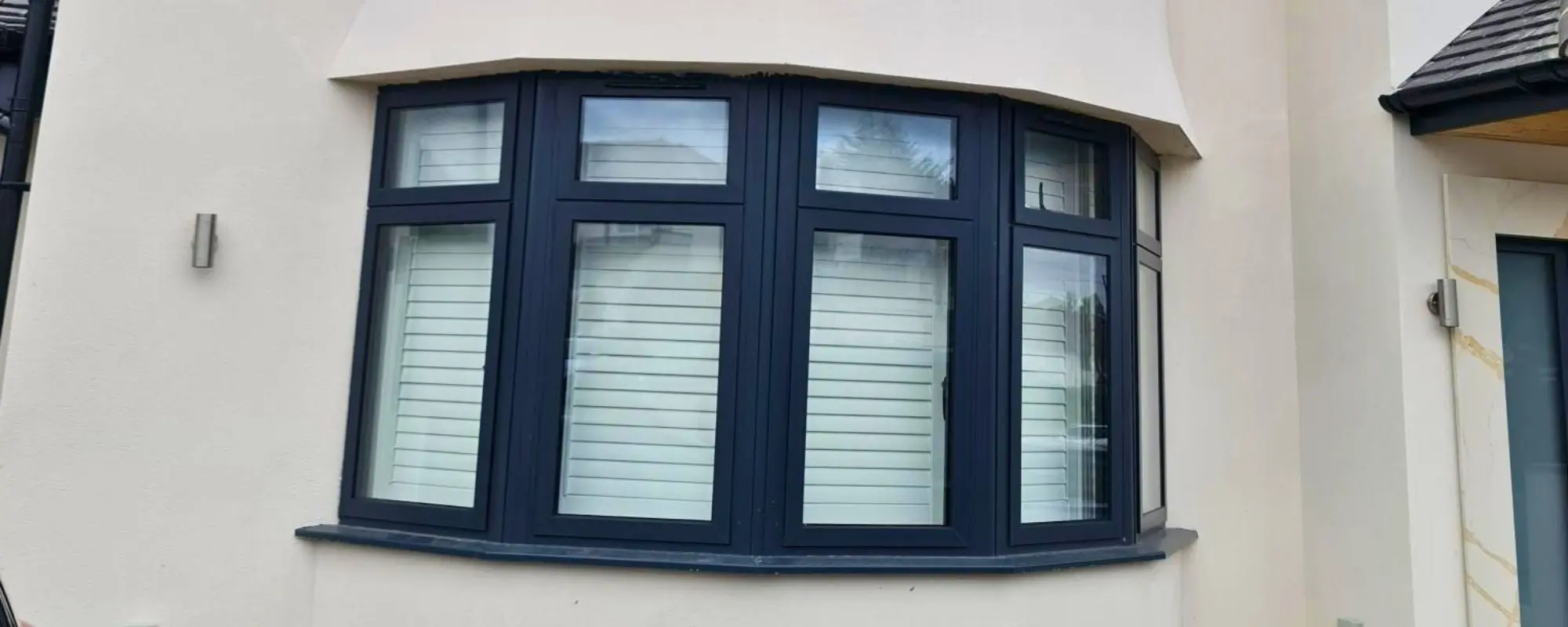
A splayed bay window is a type of bay window commonly found in Victorian properties in the UK. It is made of 3 sections of windows. It often features a central large window section along with smaller side panels that are angled or “splayed” outwards. This design creates a trapezoidal shape, allowing for more light and space inside the room. Splayed Bay Windows also known as Canted bay windows.
Splayed bay windows originated in medieval architecture, typically seen in castles and manor houses. They were designed to offer wider views and allow more light into rooms. Over time, this design evolved and became popular in Victorian and Edwardian homes, valued for both its aesthetic appeal and practical benefits.
How Splay Bay Window is Different from Other Bay Windows Types?
There are four types of bay windows commonly seen in UK homes: Splay Bay, Square Bay, Single-End, and Bow Windows. While all bay window structures extend outward from the main external wall, the main difference lies in their structural shape. Square bay windows and splay bay windows both consist of a main middle casement window section and two side sections of windows. In square bay windows, the side windows are positioned at a 90-degree angle to the main middle section, creating a rectangular or square shape. In contrast, splayed bay windows have side panels that are angled outward (more than 90 degrees), resulting in a trapezoidal shape. Bow windows consist of four or more windows that create a gentle curve, resulting in a more rounded appearance. Single-End bay windows have one side panel instead of two.

| Feature | Splayed Bay Window | Square Bay Window | Bow Window |
|---|---|---|---|
| Side Panel Angles | Angled outward (trapezoidal) | Perpendicular (rectangular) | Multiple panels, gentle curve |
| Appearance | Dynamic, contemporary or classic | Traditional, boxy | Elegant, rounded |
| View & Light | Wide, panoramic | Focused, less expansive | Sweeping, curved |
What are the Benefits of Splayed Bay Windows?
Aesthetic Appeal: They enhance architectural interest and add elegance to a property, creating a more dynamic and visually appealing façade both inside and out.
Internal Space: Outward side window shape create additional space inside the house. That can be used for various purpose such as seating, storage and display.
Increase Natural Light: The angled design allows sunlight to enter the room from multiple directions, brightening the interior space and reducing the need for artificial lighting.
Improved Ventilation: Openable side windows, positioned at an angle, enhance airflow and ventilation in the room.
How much Splayed Bay Windows Cost You?
The cost to Supply and install splayed bay window typically ranges from £900 to £3,000, depending on factors such as size, materials, and labor costs.
Consult with Durajoin team to get free precious cost of supply only and with installation of bay windows! : Get Free Quote
Durajoin is trusted Windows & Doors Company London. View customer reviews on Google Business Profile
What Material are best for splay windows?
Splayed bay windows are made from a variety of materials, each offering specific advantages:
Wood: Provides a classic and warm appearance while delivering good insulation. However, it requires regular maintenance.
uPVC: A low-maintenance and cost-effective option with strong insulation properties. It is available in different styles and colors.
Aluminium: Known for its strength and durability, aluminium bay windows frames are often slim, which maximizes the glass surface area. They also require minimal maintenance.