Durajoin Aluminium Windows and Doors

Category: Window Guide

  • Why is double glazing important? 

    Why is double glazing important? 

    What Is Double Glazing?

    Double glazing refers to a type of window or door that consists of two panes of glass separated by a layer of air or gas. This space acts as an insulating barrier, significantly reducing heat transfer and improving overall energy efficiency. In many cases, the space between the panes is filled with an inert gas like argon or krypton, which enhances insulation.

    How Does Double Glazing Work?

    The effectiveness of double glazing is attributed to the combination of multiple components:

    • Insulating Gap: The layer of air or gas between the two panes slows down heat transfer, making it difficult for warmth to escape during the winter and preventing excessive heat from entering during the summer.
    • Low-Emissivity (Low-E) Coating: Many double-glazed windows are equipped with a special coating that reflects heat back into the room while still allowing natural light to pass through. This enhances indoor comfort while reducing energy consumption.
    • Airtight Sealing: The edges of double-glazed units are tightly sealed to prevent moisture from entering. This design reduces the risk of condensation and mold growth.

    These features work together to provide long-term energy savings, noise reduction, and enhanced security.

    The Importance of Double Glazing

    1. Improves Energy Efficiency and Reduces Heating Costs

    One of the primary reasons homeowners invest in double glazing is its ability to improve energy efficiency. Poor insulation leads to significant heat loss during winter and excessive heat gain in the summer, causing heating and cooling systems to work harder. Double glazing helps maintain a consistent indoor temperature by preventing heat transfer.

    With reduced energy consumption, homeowners benefit from lower utility bills. According to the Energy Saving Trust (UK), replacing single-glazed windows with double glazing can lead to an annual energy savings of approximately £110–£150. Over time, these savings can offset the initial cost of installation.

    2. Reduces Noise Pollution

    For those living in busy urban areas, near highways, railways, or airports, noise pollution can be a major concern. Standard single-glazed windows offer little protection against external noise, leading to disturbances and discomfort.

    Double glazing significantly reduces sound transmission, making indoor spaces quieter and more peaceful. The combination of two glass panes and the insulating gas layer effectively absorbs and dampens sound waves, reducing noise levels by up to 70 percent.

    This feature is particularly beneficial for homes located in high-traffic areas, families with young children, and individuals working from home who require a quiet environment.

    3. Enhances Home Security

    Home security is a top priority for homeowners, and double glazing plays an essential role in improving protection against break-ins. Single-pane windows are relatively easy to break, making homes vulnerable to intrusions. In contrast, double-glazed windows provide an added layer of security due to their thicker structure and advanced locking mechanisms.

    Many modern double-glazed units incorporate toughened or laminated glass, making them even more resistant to forced entry. Additionally, reinforced frames and multi-locking systems further strengthen security.

    With double glazing, homeowners can enjoy peace of mind knowing that their property is better protected against potential threats.

    4. Prevents Condensation and Mold Growth

    Condensation is a common issue in homes with inadequate insulation. When warm indoor air comes into contact with a cold glass surface, moisture forms, leading to water droplets on the window. Over time, persistent condensation can cause:

    • Mold and mildew growth
    • Damage to window frames and sills
    • Increased indoor humidity, leading to damp walls and furniture deterioration

    Double glazing helps maintain a stable indoor temperature, reducing the likelihood of condensation buildup. This contributes to a healthier living environment by minimizing mold growth and protecting interior furnishings from moisture damage.

    5. Increases Property Value

    Investing in double glazing is not only beneficial for energy efficiency and comfort but also adds value to a property. Prospective buyers often look for homes with modern features that offer long-term savings and minimal maintenance requirements.

    Properties with double-glazed windows typically receive higher Energy Performance Certificate (EPC) ratings, making them more appealing to buyers and increasing resale value. A well-insulated home with lower energy costs is a significant selling point in today’s real estate market.

    6. Supports Environmental Sustainability

    With rising concerns about climate change and carbon emissions, energy-efficient home improvements are becoming increasingly important. By reducing heat loss and minimizing reliance on heating and cooling systems, double glazing helps lower overall energy consumption.

    The reduction in energy use translates to a decrease in carbon emissions, contributing to a more sustainable and eco-friendly living environment. Additionally, many governments offer financial incentives, rebates, or tax benefits for homeowners who invest in energy-efficient upgrades, making double glazing a cost-effective and environmentally responsible choice.

    7. Provides Protection Against UV Rays

    Prolonged exposure to direct sunlight can cause fading and deterioration of furniture, carpets, and artwork. Over time, ultraviolet (UV) rays break down the colors and materials, leading to premature aging of interior furnishings.

    Double-glazed windows with UV protection coatings help filter harmful rays, reducing sun damage and extending the lifespan of home interiors. This is particularly beneficial in rooms with large windows or direct sunlight exposure throughout the day.

    Types of Double Glazing

    There are several types of double-glazed windows and doors, each with its own benefits:

    1. uPVC Double Glazing – Made from durable and low-maintenance uPVC material, offering excellent insulation and cost-effectiveness.
    2. Aluminium Double Glazing – Sleek and modern in design, highly durable but slightly less insulating than uPVC.
    3. Wooden Double Glazing – Ideal for traditional or heritage homes, providing a natural aesthetic but requiring more maintenance.
    4. Triple Glazing – A step beyond double glazing, offering superior insulation and noise reduction, particularly suitable for extreme climates.

    Choosing the right type of double glazing depends on individual preferences, budget, and climate considerations.

    Is Double Glazing a Worthwhile Investment?

    The benefits of double glazing make it a highly worthwhile investment for homeowners. From energy savings and noise reduction to improved security and increased property value, the advantages far outweigh the initial costs.

    Choosing the right type of double glazing depends on individual preferences, budget, and climate considerations

    Key Takeaways:

    • Double glazing enhances energy efficiency, leading to lower heating and cooling bills.
    • It significantly reduces noise pollution, creating a more peaceful indoor environment.
    • The added layer of glass improves home security by making windows more difficult to break.
    • It helps prevent condensation and mold, contributing to a healthier living space.
    • Homes with double glazing are more valuable and attractive to potential buyers.
    • It supports environmental sustainability by reducing energy consumption and carbon emissions.
    • UV protection features help safeguard interior furnishings from sun damage.

    Conclusion

    Double glazing is an essential feature for modern homes, providing a combination of comfort, security, and energy efficiency. Whether you are renovating an existing property or constructing a new home, investing in double-glazed windows and doors is a smart decision that offers long-term benefits.

    For homeowners considering double glazing installation, it is advisable to research reputable suppliers, compare quotes, and choose the best option that suits individual needs and preferences.l light and ventilation to extra interior space and energy efficiency, these windows enhance the living experience in multiple ways.

    Whether you’re considering installing a bay window or simply appreciating their unique characteristics, understanding these features will help you make an informed decision.

     

  • What are the features of a bay window?

    What are the features of a bay window?

    Introduction

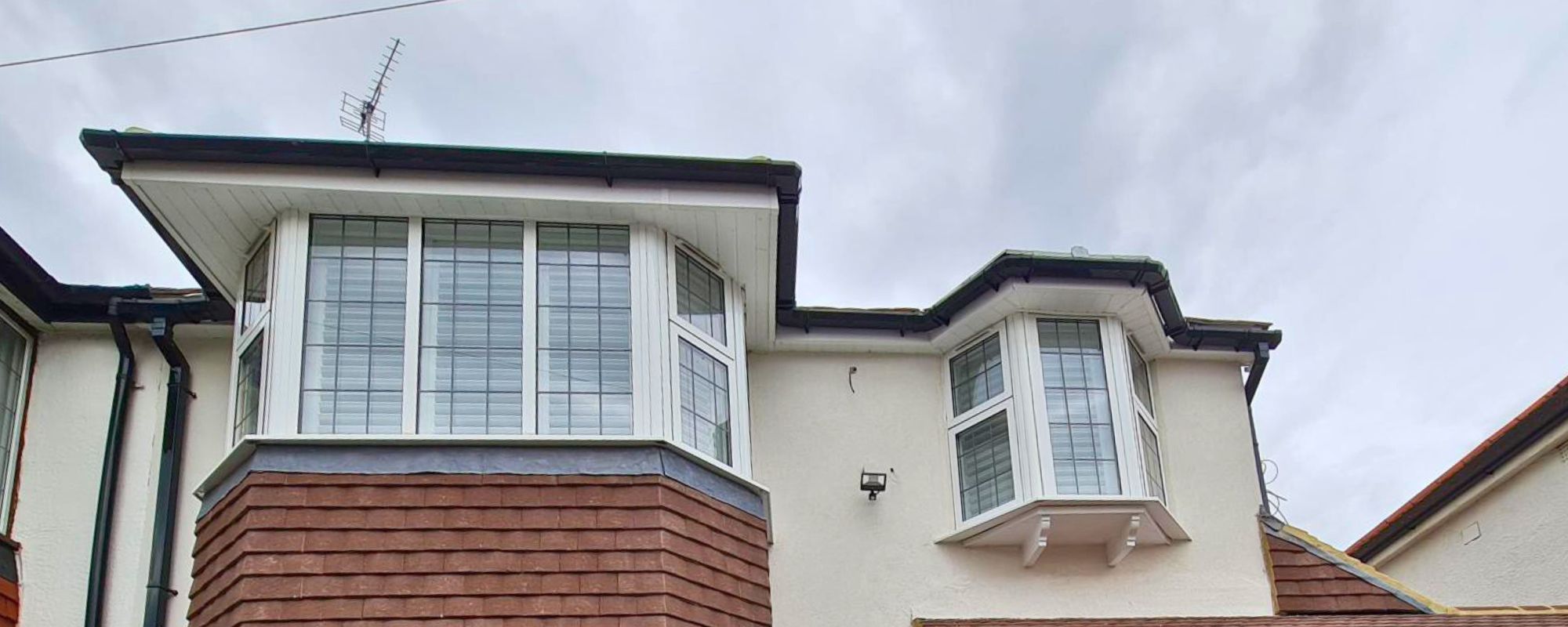
    Bay windows are a distinctive architectural element that enhances both the exterior and interior aesthetics of a home. Their protruding structure, multiple glass panels, and unique angles make them a standout feature in any space. But what exactly defines a bay window? What are its structural and functional features?

    This blog explores the key characteristics of bay windows, their benefits, and how they contribute to a home’s beauty and functionality. Whether you’re planning to install a bay window or simply want to learn more, this guide covers everything you need to know.

    If you’re specifically looking for high-quality Bay Windows in London explore our expert offerings to find the perfect fit for your home.

    1. Distinctive Design and Structure

    A bay window is a multi-panel window that projects outward from the main walls of a building, creating a small alcove inside. This design not only enhances the home’s architectural appeal but also provides additional space and natural light.

    Key Structural Features:

    • Three or More Window Panels – Typically, a bay window consists of three glass panels, but some designs may include four or five.
    • Angled or Curved Shape – The windows are arranged at 30, 45, or 90-degree angles, creating a unique geometric appearance.
    • Extended Exterior Projection – Unlike standard windows that remain flush with the wall, bay windows extend outward, adding depth to the home’s façade.
    • Framing Materials – Bay windows can be framed with wood, aluminum, vinyl, or fiberglass, depending on the homeowner’s preference and climate conditions.

    This distinctive design makes bay windows a visually striking addition to any home, adding character and elegance.

    2. Various Types of Bay Windows

    Bay windows come in different styles, allowing homeowners to choose one that complements their home’s architecture.

    The Most Common Types of Bay Windows:

    • Canted Bay Windows – These are the most traditional type, featuring three panels with a flat front and angled sides. Common in Victorian-style homes, they offer both aesthetic and functional benefits.
    • Box Bay Windows – Unlike canted windows, these have 90-degree side panels, forming a box-like shape. They are perfect for modern homes that favor clean, geometric designs.
    • Bow Windows – Bow windows have four or more panels arranged in a curved shape, creating a softer, rounded exterior. They are often used in larger homes to provide panoramic views.
    • Oriel Bay Windows – These are often found in upper floors of buildings, supported by brackets or corbels instead of extending from the foundation. They are a stylish addition to historic and European-style homes.
    • Circle Bay Windows – A variation of bow windows, these feature a rounded appearance and add a grand, elegant touch to homes.

    Each type of bay window serves a unique purpose, providing both design flexibility and functional advantages.

    3. Natural Light and Panoramic Views

    One of the biggest advantages of bay windows is their ability to maximize natural light. The multiple window panels allow sunlight to enter from different angles throughout the day, creating a bright and inviting atmosphere.

    How Bay Windows Enhance Natural Light:

    • The angled design allows light to flood into the room from multiple directions.
    • More glass panels mean less reliance on artificial lighting, reducing energy costs.
    • The outward extension of the window prevents shadows from blocking light entry.

    Additionally, bay windows offer unobstructed panoramic views, making them an excellent choice for homes with gardens, cityscapes, or oceanfront scenery.

    4. Increased Interior Space and Versatility

    Unlike standard windows, bay windows create a small alcove or ledge, adding extra space to a room. This additional area can be utilized in multiple ways, making the space more functional.

    Ways to Utilize the Extra Space:

    • Window Seat – Add cushions or a built-in bench to create a cozy reading nook.
    • Storage Area – Use the base as a hidden storage compartment for books, blankets, or decorative items.
    • Dining Space – A bay window can accommodate a small breakfast nook or café-style seating.
    • Mini Indoor Garden – The ample sunlight makes it ideal for growing houseplants or herbs.

    This feature makes bay windows both practical and stylish, especially in smaller homes where space optimization is crucial.

    5. Improved Ventilation and Airflow

    Bay windows are not just about aesthetics; they also enhance natural ventilation. With multiple panels that can be designed to open, they allow for better airflow compared to single-panel windows.

    Benefits of Enhanced Ventilation:

    • Promotes fresh air circulation, keeping rooms cooler in summer.
    • Helps reduce indoor humidity, preventing mold and mildew buildup.
    • Improves air quality, making the home environment healthier.

    For homeowners looking for a way to increase airflow while maintaining a stylish appearance, bay windows are an excellent choice.

    6. Energy Efficiency and Insulation

    Modern bay windows are built with energy-efficient features that help regulate indoor temperatures. This not only makes them more comfortable but also reduces heating and cooling costs.

    Energy-Saving Features of Bay Windows:

    • Double or Triple-Pane Glass – Enhances insulation and reduces heat loss.
    • Low-E Glass Coatings – Reflects heat in the summer and retains warmth in the winter.
    • Weather Stripping and Sealing – Prevents drafts, improving overall energy efficiency.

    These features make bay windows a cost-effective and environmentally friendly option for homeowners.

    7. Enhancing Home Value and Curb Appeal

    If you’re considering home improvements, installing bay windows can significantly increase property value. Their timeless design, functional benefits, and energy efficiency make them highly desirable in the real estate market.

    How Bay Windows Add Value to a Home:

    • Boosts Curb Appeal – Their distinctive design makes homes stand out.
    • Creates More Usable Space – Buyers appreciate the added functionality.
    • Improves Natural Light and Ventilation – Enhancing the overall living experience.
    • Energy-Efficient Design – Attracts eco-conscious buyers looking for long-term savings.

    Whether you’re planning to sell your home or simply want to enjoy the benefits of bay windows, they are a worthwhile investment.

    Conclusion

    Bay windows are more than just an elegant design feature; they offer practical benefits that improve both the functionality and aesthetics of a home. From increased natural light and ventilation to extra interior space and energy efficiency, these windows enhance the living experience in multiple ways.

    Whether you’re considering installing a bay window or simply appreciating their unique characteristics, understanding these features will help you make an informed decision.
     

  • Which type of gate is best for home?

    Which type of gate is best for home?

    Introduction

    The entrance gate serves as the first line of defense for a home while also contributing to its overall aesthetic appeal. Whether for security, privacy, or design enhancement, selecting the right gate is crucial. Different gate types offer varying levels of protection, durability, maintenance requirements, and design compatibility.

    This guide explores the various types of gates, their materials, advantages, and key considerations to help homeowners choose the best gate for their needs.

    Key Factors to Consider When Choosing a Home Gate

    Before selecting a gate, consider the following factors:

    1. Security Needs
      • If security is a priority, opt for a strong material like steel or wrought iron.
      • Automated gates with access control features provide enhanced security.
    2. Available Space
      • Swing gates require more clearance for opening.
      • Sliding or telescopic gates are ideal for limited spaces.
    3. Aesthetic Appeal
      • The gate should complement the home’s architectural style.
      • Various designs and materials are available to match modern, traditional, or rustic exteriors.
    4. Durability and Maintenance
      • Metal gates last longer but may require rust prevention.
      • Wooden gates need regular sealing and treatment.
    5. Budget Considerations
      • Basic gates are more affordable, while high-tech automated gates are more expensive.
      • The cost of materials, installation, and long-term maintenance should be factored in.

    Types of Home Gates and Their Benefits

    1. Swing Gates

    • Description: Opens inward or outward on hinges, similar to a door. Available in single or double-panel designs.
    • Best for: Homes with large driveways or spacious entrances.
    • Advantages:
      • Adds an elegant and traditional look.
      • Can be manual or automated.
      • Easy to install and operate.
    • Disadvantages:
      • Requires ample space for full opening.
      • Can be difficult to operate in strong winds.

    2. Sliding Gates

    • Description: Moves sideways along a track, ideal for driveways with limited space.
    • Best for: Urban homes and properties with space constraints.
    • Advantages:
      • Does not require additional space for opening.
      • Suitable for automation and remote control systems.
      • Strong and durable design.
    • Disadvantages:
      • Needs a track system, which requires maintenance.
      • Higher initial cost compared to swing gates.

    3. Folding Gates (Bi-Fold or Accordion Gates)

    • Description: Consists of multiple panels that fold upon opening.
    • Best for: Small driveways and compact entryways.
    • Advantages:
      • Space-saving design.
      • Modern and stylish appearance.
      • Available in both manual and automated versions.
    • Disadvantages:
      • Mechanical parts may require frequent maintenance.
      • Higher cost due to complex design.

    4. Telescopic Gates

    • Description: Composed of multiple overlapping panels that slide over each other when opening.
    • Best for: Homes with narrow entrances or limited driveway space.
    • Advantages:
      • Requires less space for operation.
      • Smooth movement and fast operation.
      • Ideal for automation.
    • Disadvantages:
      • Expensive compared to conventional sliding gates.
      • Complex installation process.

    5. Wrought Iron Gates

    • Description: Made from heavy-duty iron with intricate designs, offering a combination of security and elegance.
    • Best for: Classic and Victorian-style homes.
    • Advantages:
      • Highly durable and long-lasting.
      • Customizable with decorative patterns.
      • Provides maximum security.
    • Disadvantages:
      • Requires maintenance to prevent rust.
      • Can be expensive due to craftsmanship.

    6. Wooden Gates

    • Description: Crafted from natural wood, offering a traditional and warm aesthetic.
    • Best for: Farmhouses, cottages, and homes with rustic designs.
    • Advantages:
      • Enhances privacy.
      • Blends well with natural surroundings.
      • Can be customized in various styles.
    • Disadvantages:
      • Susceptible to weather damage.
      • Requires sealing or painting to maintain longevity.

    7. Aluminum Gates

    • Description: Lightweight, rust-resistant, and available in various modern designs.
    • Best for: Homes in coastal areas due to corrosion resistance.
    • Advantages:
      • Low maintenance.
      • Does not rust or corrode.
      • Durable yet lightweight.
    • Disadvantages:
      • Not as strong as steel or iron.
      • Can be more expensive than standard wooden gates.

    8. PVC or Vinyl Gates

    • Description: Made from synthetic materials that require minimal maintenance.
    • Best for: Budget-conscious homeowners looking for an affordable solution.
    • Advantages:
      • Resistant to rot, rust, and pests.
      • Lightweight and easy to install.
      • Does not require painting or sealing.
    • Disadvantages:
      • Less durable than metal or wood.
      • Limited color and design options.

    Choosing the Best Gate for Your Home

    Selecting the best gate depends on specific homeowner needs. Below is a summary guide for different requirements:

    1. For Maximum Security:
      • Wrought iron or steel gates with automated locking mechanisms.
    2. For Limited Space:
      • Sliding or telescopic gates that do not require additional clearance.
    3. For Aesthetic Appeal:
      • Wooden gates for a natural look or wrought iron gates for a classic appearance.
    4. For Low Maintenance:
      • Aluminum or PVC gates that resist weather damage and require minimal upkeep.
    5. For Modern Homes:
      • Folding, telescopic, or aluminum gates with sleek designs and automated features.
    6. For Budget-Friendly Solutions:
      • PVC or manually operated wooden gates that provide affordability with basic functionality.

    For homeowners looking for durable and stylish metal gates, consider exploring this selection of high-quality metal gates, offering various designs and security features to match different home styles.

    Conclusion

    Choosing the right gate for a home is an important decision that impacts security, convenience, and visual appeal. Homeowners should carefully assess factors such as space availability, budget, maintenance requirements, and design compatibility before making a choice.

    Whether selecting a traditional wrought iron gate, a modern sliding gate, or a budget-friendly vinyl option, the best gate should enhance both the safety and style of the property. Consulting with professionals and exploring customization options can further help in making the best decision for a long-lasting and functional home entrance.

  • Why Do People Like Bay Windows?

    Why Do People Like Bay Windows?

    Introduction

    Bay windows have long been a favorite architectural feature in homes, adding charm, elegance, and functionality. Whether in classic Victorian houses or modern residences, these windows enhance both the interior and exterior appeal. But why do people love bay windows so much? Is it purely aesthetic, or do they serve practical purposes as well?

    In this blog, we explore the various reasons why bay windows continue to be popular among homeowners, from their ability to maximize natural light to the extra space they provide.

    Aesthetic Appeal: Elevating Home Design

    One of the main reasons people adore bay windows is their visual impact. Unlike standard flat windows, bay windows extend outward from the wall, creating a stunning architectural feature that enhances the home’s façade.

    How Bay Windows Enhance a Home’s Look?

    • They add depth and dimension to a house, making it appear more spacious.
    • The curved or angular shape offers a sophisticated and timeless design.
    • They complement various architectural styles, from classic to contemporary homes.

    Customization Options

    Bay windows come in different styles, including canted, box, and bow windows, allowing homeowners to choose one that best suits their design preferences. You can also customize them with window treatments, cushions, and decorative accents to match your interior décor.

    Abundant Natural Light: A Brighter Home

    Bay windows are designed to capture and distribute more natural light into a room, making them ideal for brightening up interior spaces. Their multiple glass panels allow sunlight to enter from different angles throughout the day.

    Benefits of Increased Natural Light

    • Enhances mood and productivity – Studies show that natural light can boost serotonin levels, improving mental well-being.
    • Reduces energy costs – More daylight means less need for artificial lighting, leading to lower electricity bills.
    • Creates a warm, inviting atmosphere – A sun-filled room feels more welcoming and cozy.

    If you enjoy waking up to a sun-drenched living room or sipping coffee by a bright window nook, a bay window is the perfect addition to your home.

    Extra Space: Functional and Versatile

    Unlike regular windows, bay windows extend outward, creating additional space inside the room. This extra area can be utilized in several ways, adding both practicality and comfort to your home.

    Ways to Use the Extra Space

    • Reading Nook – Place a comfortable cushion or bench to create a cozy corner for relaxation.
    • Storage Bench – Use the base of the window as a storage area for books, blankets, or household essentials.
    • Breakfast Corner – Set up a small dining table or café-style seating for a charming eating area.
    • Mini Indoor Garden – Arrange potted plants or a herb garden to bring nature indoors.

    Whether you have a small apartment or a large house, the extra space provided by a bay window is always a welcome addition.

    Increased Ventilation and Better Views

    Bay windows not only enhance aesthetics and functionality but also improve airflow and offer scenic views. Since they are made of multiple panels, they can be designed to open from different angles, allowing better cross-ventilation.

    How Bay Windows Improve Airflow?

    • Multiple openings help circulate fresh air more efficiently.
    • They provide a wider opening compared to traditional flat windows.
    • The angled design helps catch breezes, keeping your home naturally cool.

    In addition to fresh air, bay windows offer panoramic views of the outdoors, making them a favorite for homes with scenic landscapes, gardens, or city skylines.

    Adds Value to Your Home

    If you’re considering home renovations, installing bay windows is a great investment. Real estate experts suggest that bay windows can increase a home’s resale value by enhancing its appeal and functionality.

    If you are looking to enhance your property you can explore Bay Windows London for high-quality options that blend style with functionality.

    Why Bay Windows Boost Property Value

    • They improve curb appeal, making a home look more attractive to buyers.
    • More natural light and space create a brighter and more open living area.
    • They offer energy efficiency benefits, which appeal to eco-conscious buyers.

    Potential homeowners often prefer houses with bay windows because they provide both aesthetic and practical advantages.

    Energy Efficiency: Keeping Your Home Comfortable

    Modern bay windows are designed with insulated glass and energy-efficient frames, helping regulate indoor temperatures.

    How Bay Windows Improve Energy Efficiency

    • Low-E glass coatings reflect heat in the summer and retain warmth in the winter.
    • Double or triple-pane glass reduces heat transfer, improving insulation.
    • Proper sealing and framing materials prevent drafts, lowering heating and cooling costs.

    This makes bay windows a smart choice for homeowners looking to reduce their energy consumption while maintaining a comfortable indoor environment.

    A Sense of Luxury and Comfort

    Many people associate bay windows with luxury and elegance, as they are often found in grand Victorian homes and upscale residences. Their unique design adds a touch of sophistication to any space, making rooms feel more open and airy.

    The Cozy, Inviting Atmosphere

    • Perfect for creating a peaceful retreat within your home.
    • Enhances the ambiance of living rooms, bedrooms, and dining areas.
    • The combination of natural light, open space, and scenic views makes any room feel more luxurious.

    Whether you’re looking to add a cozy window seat or simply elevate the look of your home, bay windows create an elegant and comfortable living space.

    Conclusion

    Bay windows are more than just a beautiful architectural feature; they offer numerous practical benefits that enhance the quality of life in any home. From increased natural light and extra space to better ventilation and higher property value, these windows are a favorite among homeowners for good reason.

    If you’re considering a home upgrade, installing a bay window could be one of the best decisions you make—bringing in light, charm, and functionality while adding value to your property.

    Would you love a bay window in your home? Share your thoughts in the comments!


  • What Are Different Types of Trickle Vents for Windows?

    What Are Different Types of Trickle Vents for Windows?

    Trickle vents have become an essential feature in modern window design, especially in the United Kingdom, where building regulations increasingly emphasize energy efficiency and indoor air quality. These small ventilation devices are designed to provide continuous background airflow, ensuring a healthier and more comfortable living environment. In this detailed article, we will explore the different types of trickle vents available for windows ventilators, their functionality, benefits, and importance in maintaining indoor air quality.

    What Are Window Trickle Vents?

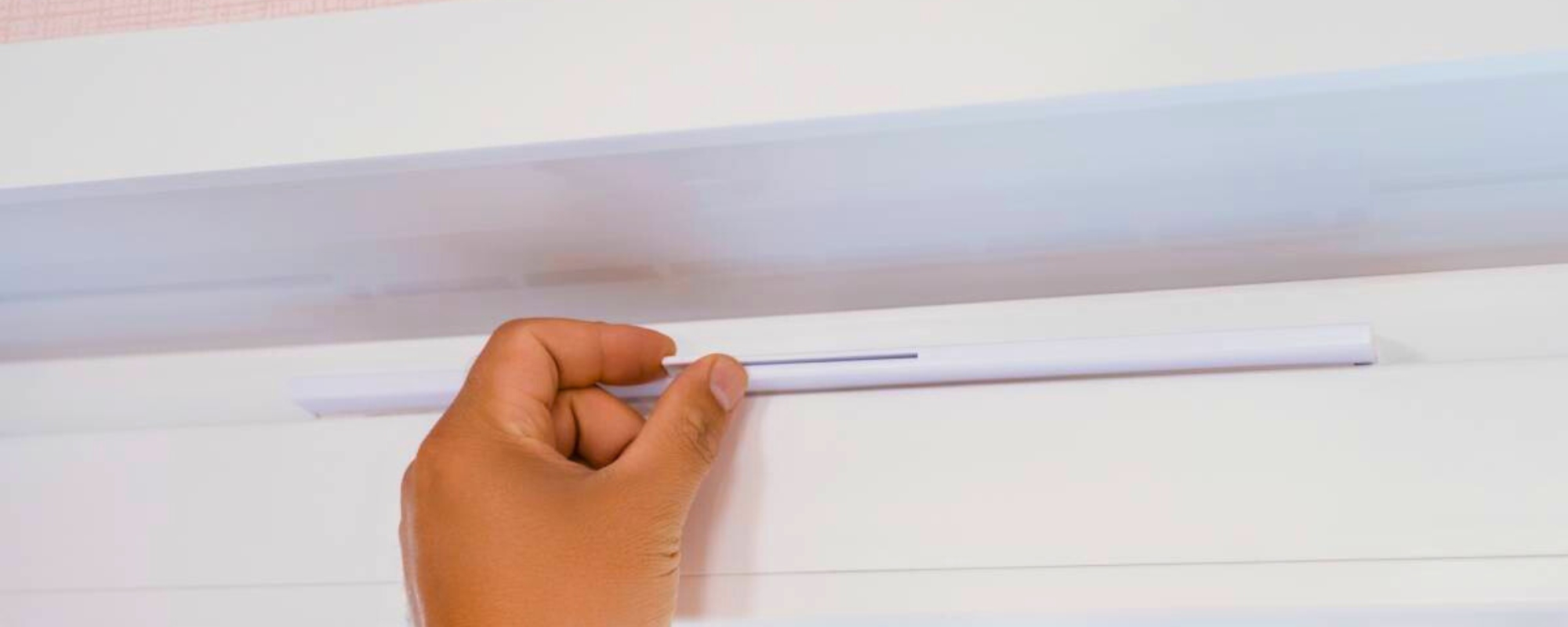
    Trickle vents are small openings integrated into window frames that enable controlled airflow between indoor and outdoor environments. They are typically designed with adjustable covers or mechanisms that allow users to regulate the amount of air entering a space. The primary purpose of vents trickle is to provide background ventilation without compromising security or energy efficiency.

    These vents operate by utilizing the natural movement of air. As warm air rises and escapes through extraction systems or other outlets, it creates a slight vacuum that draws fresh air into the building through the trickle vents. This process ensures a continuous exchange of indoor and outdoor air, reducing humidity levels and helping to prevent condensation issues.

    Importance of Trickle Vents in Modern Buildings

    The increase in airtight construction methods has made trickle vents essential for maintaining indoor air quality. Modern homes often have highly insulated windows and patio doors that minimize heat loss but also restrict airflow. Without sufficient ventilation, pollutants like volatile organic compounds (VOCs), radon gas, and excess moisture can build up indoors, leading to health issues and potential structural damage.

    Trickle vents help address these problems by allowing a constant flow of fresh air while removing stale air. They are vital for preventing mould growth, maintaining comfortable humidity levels, and ensuring compliance with UK building regulations approved document, such as Part F.

    Different Types of Trickle Vents for Windows and Doors

    1. Through-Frame Trickle Vents

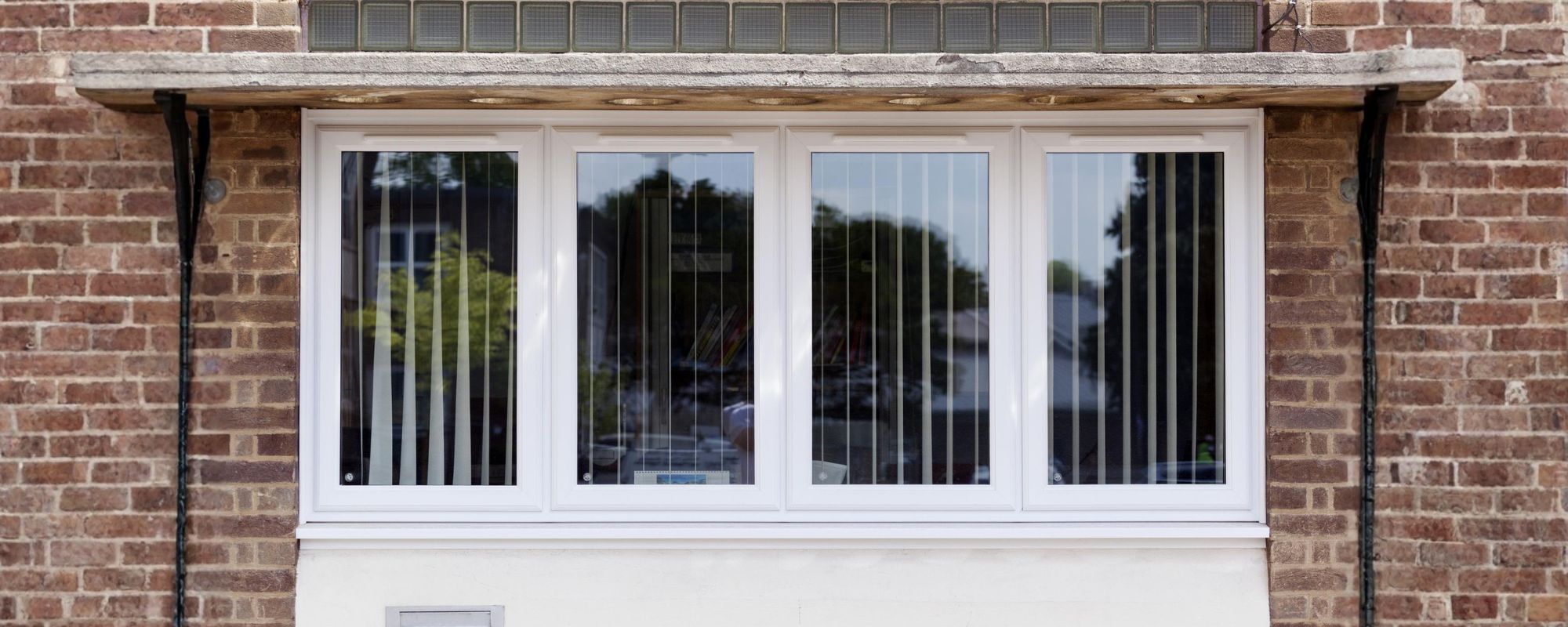
    A Bay Window With Through-Frame Trickle Vents installed
    Image Credit: Three Counties Ltd

    Through-frame trickle vents are among the most common designs used in both residential and commercial buildings. These vents are installed through the top of the window frame, allowing air to flow directly into the room. The design involves cutting slots into the frame during manufacturing, which are then fitted with adjustable mechanisms to regulate airflow.

    This type of vent is particularly popular due to its discreet appearance and compatibility with various framing materials, including uPVC, timber, steel, and aluminium. Through-frame vents are ideal for situations where unobtrusive ventilation is needed without compromising the aesthetic appeal of the window.

    2. Over-Frame Trickle Vents

    Over-frame trickle vents are used when it is not feasible to integrate ventilation directly through the window frame. In this design, ventilation slots are positioned over the top or head of the window frame. This option is often selected for retrofit applications or in situations where structural limitations prevent the use of through-frame designs.

    While over-frame vents open may be slightly more visible than through-frame options, they provide similar functionality and can be customized to match the overall design of the window.

    3. Glazed-In Trickle Vents

    Image Credit: brookvent

    Glazed-in trickle vents are incorporated into the upper section of sealed glass units. This design is especially beneficial for windows that have limited frame space or unique architectural features. By placing the vent within the glass unit, manufacturers can ensure effective ventilation without sacrificing structural integrity or aesthetics.

    These glazed-in vents are frequently utilized in high-performance windows, where maintaining airtightness is essential. However, they may demand specialized installation techniques and are less commonly used compared to other vent designs.

    4. Visible Hood Vents

    Visible hood vents have an external hood that slightly extends from the window frame, offering protection against drafts and rainwater. On the interior side, these vents include adjustable mechanisms that allow for control of airflow. While they are functional and straightforward, their visible design may not appeal to homeowners looking for a more discreet option.

    Despite their appearance, visible hood vents remain popular due to their effectiveness in providing consistent background ventilation. They are often recommended for properties experiencing high humidity levels or significant condensation issues.

    5. Retrofitted Trickle Vents

    Retrofitting trickle vents can be added to existing windows that do not have built-in ventilation systems. This option is ideal for homeowners who are experiencing issues with condensation or poor air quality but do not want to replace their entire window units. The retrofitting process involves drilling slots into the existing frames and installing adjustable covers or mechanisms.

    Although retrofitting can be labour-intensive and may slightly alter the appearance of older windows and door, it offers a cost-effective solution for improving indoor air quality without the need for extensive renovations.

    Materials Used in Trickle Vent Construction

    Trickle vents can be manufactured from various materials depending on their application and design requirements:

    uPVC Trickle Vents: uPVC (unplasticized polyvinyl chloride) is one of the most common materials used for constructing trickle vents due to its durability, affordability, and ease of integration with modern window frames. uPVC vents are lightweight yet robust enough to withstand environmental stresses such as temperature fluctuations and UV exposure. They are also available in a wide range of colours and finishes, allowing them to match various door and window designs seamlessly.

    Timber Trickle Vents: Timber trickle vents are typically used in traditional or heritage properties where maintaining aesthetic consistency is crucial. These vents blend seamlessly with wooden frames while providing effective ventilation. Although timber options may require more maintenance than uPVC alternatives, they offer unparalleled visual appeal for period homes.

    Aluminium Trickle Vents: Aluminium trickle vents are favoured for their strength, corrosion resistance, and sleek appearance. They are commonly used in commercial buildings or modern residential properties where durability and contemporary aesthetics are prioritized. Aluminium vents can be anodized or powder-coated to enhance their longevity.

    Composite Materials: Composite trickle vents combine different materials such as plastic and metal to achieve optimal performance characteristics. These hybrid designs offer enhanced durability while maintaining a lightweight construction. Composite options are versatile and can complement various architectural styles and framing materials.

    Benefits of Trickle Vents

    Improved Indoor Air Quality Through Trickle Ventilation

    Trickle ventilators vents are essential for improving indoor air quality by helping to dilute pollutants such as volatile organic compounds (VOCs), radon gas, and excessive humidity. By allowing continuous airflow between indoor and outdoor environments, these devices contribute to creating healthier living spaces that are free from allergens and contaminants. Enhanced air quality significantly benefits occupants by reducing respiratory issues and increasing overall comfort indoors.

    Condensation Control

    High humidity levels often result in condensation on windows and walls, which is a common problem in airtight homes with inadequate ventilation systems. Trickle ventilators help address this issue by effectively regulating humidity levels throughout a building’s interior. Lower levels of condensation reduce the risk of mould growth and help maintain the structural integrity of the home over time.

    For professional advice on trickle vent installation or to address specific ventilation concerns, consult with Durajoin’s qualified approved installer of window and door or building inspector.

  • Why Are Casement Windows the Best?

    Why Are Casement Windows the Best?

    When it comes to choosing the perfect windows for your home, the variety of options available can be overwhelming. Among the many choices, casement windows stand out as one of the best due to their combination of style, functionality, and energy efficiency. These side-hinged windows open outward like a door, providing exceptional ventilation, security, and aesthetic appeal.

    But what makes casement windows better than other types? In this blog, we’ll explore the top reasons why casement windows are the best choice for homeowners and businesses alike.

    1. Excellent Ventilation & Airflow

    One of the biggest advantages of casement windows is their ability to maximize airflow in your home. Unlike sliding or double-hung windows, which only open partially, casement windows can be opened fully.

    • Since casement windows open outward, they catch side breezes, allowing fresh air to flow directly into your home.
    • They create a natural cross-ventilation effect, making rooms feel cooler without relying too much on air conditioning.
    • Perfect for kitchens and bathrooms where better airflow is needed to remove odors and moisture.

    If you love a fresh and airy home, casement windows are an excellent choice!

    2. Superior Energy Efficiency

    Casement windows are one of the most energy-efficient window options available today. Their design creates a tighter seal when closed, helping to reduce energy loss.

    • The compression seal around casement windows prevents drafts, unlike sliding or double-hung windows, which use a less effective sliding track system.
    • Reduces heat loss in winter and keeps cool air inside during summer, lowering energy bills.
    • Many modern casement windows come with double or triple glazing, further enhancing insulation and efficiency.

    If you’re looking to make your home more energy-efficient and cut down on electricity costs, casement windows are the way to go.

    3. Enhanced Security & Safety

    Home security is a top priority for homeowners, and casement windows offer excellent protection against intruders.

    • Casement windows come with hook-shaped locks embedded into the frame, making them harder to break into than sliding or double-hung windows.
    • Since they open outward, they are difficult to force open from the outside.
    • Modern casement windows come with multi-point locking systems, further improving security.

    For homeowners who prioritize safety and security, casement windows are a reliable choice.

    4. Unobstructed Views & Natural Light

    Another reason casement windows are so popular is that they offer clear, unobstructed views of the outdoors.

    • Unlike double-hung or sliding windows, casement windows do not have a middle frame blocking the view.
    • They allow maximum natural light to enter, brightening up rooms and reducing the need for artificial lighting.
    • Ideal for rooms facing gardens, lakes, or scenic landscapes.

    If you want larger, brighter windows with beautiful outdoor views, casement windows are perfect!

    5. Stylish & Versatile Design

    Casement windows complement a wide range of architectural styles, from modern to traditional homes. They are available in various materials, colors, and finishes, making them a versatile option for homeowners.

    • Suitable for both small and large window openings.
    • Can be paired with other window types, such as picture windows, to create a stunning visual effect.
    • Available in wood, aluminum, fiberglass, and vinyl to match different home styles.

    Whether you’re renovating an old home or designing a new one, casement windows can add a touch of elegance and modernity to your space.

    6. Low Maintenance & Easy to Clean

    Nobody likes spending too much time cleaning windows, and with casement windows, maintenance is a breeze!

    • Casement windows open outward completely, allowing easy access to both sides of the glass for cleaning.
    • Many modern casement windows come with weather-resistant coatings, preventing rust and reducing the need for frequent maintenance.
    • Vinyl and fiberglass casement windows are particularly low-maintenance and durable.

    If you prefer hassle-free window cleaning, casement windows make the job much easier.

    7. Noise Reduction

    Living in a noisy neighborhood? Casement windows can help reduce outside noise and create a more peaceful indoor environment.

    • The tight-sealing mechanism helps block out street noise, making them ideal for homes near busy roads or urban areas.
    • Double or triple-glazed casement windows offer even better soundproofing.

    If you value a quiet and peaceful home, casement windows are a smart choice.

    8. Ideal for Hard-to-Reach Areas

    Casement windows are a great option for hard-to-reach spaces, such as:

    • Above kitchen sinks
    • Stairwells or high walls
    • Narrow corridors

    Their crank handle makes them easy to open and close, even in tight spaces where traditional windows might be inconvenient.

    9. Customization Options

    Casement windows offer a variety of customization features, allowing homeowners to tailor them to their specific needs.

    • Available in different sizes, colors, and materials.
    • Can be designed with decorative glass, grids, or unique hardware for a personalized touch.
    • Some casement windows come with integrated blinds or screens for added convenience.

    With so many options, you can choose a casement window design that perfectly complements your home’s style.

    Are Casement Windows Right for You?

    Casement windows are versatile, energy-efficient, secure, and stylish, making them one of the best window options for homeowners. Whether you’re renovating an existing home or building a new one, they offer numerous benefits that improve comfort, security, and aesthetics.

    Choose casement windows if you want:

    • Maximum ventilation and airflow
    • High energy efficiency and lower bills
    • Enhanced security and safety
    • Aesthetic appeal and unobstructed views
    • Low maintenance and easy cleaning

    While casement windows might have a slightly higher initial cost than other types, their long-term benefits outweigh the investment.

    Conclusion

    Casement windows are undoubtedly one of the best window styles available today. Their combination of beauty, functionality, and efficiency makes them a top choice for homeowners looking to enhance their property’s comfort and value.

    If you’re considering window replacement or installation, casement windows should be at the top of your list!

    Would you like assistance in choosing the perfect casement windows for your home? Let us know in the comments! 

  • What is the difference between recessed and flush windows?

    What is the difference between recessed and flush windows?

    Windows play a crucial role in both the functionality and aesthetics of a home. When designing or renovating a house, choosing the right window style can impact energy efficiency, insulation, ventilation, and overall appearance. Two popular window styles that homeowners and architects often consider are recessed windows and flush windows.

    But what exactly sets these two window types apart? In this blog, we will explore the differences, advantages, disadvantages, and best use cases for recessed and flush windows to help you determine which one is right for your home.

    What Are Recessed Windows?

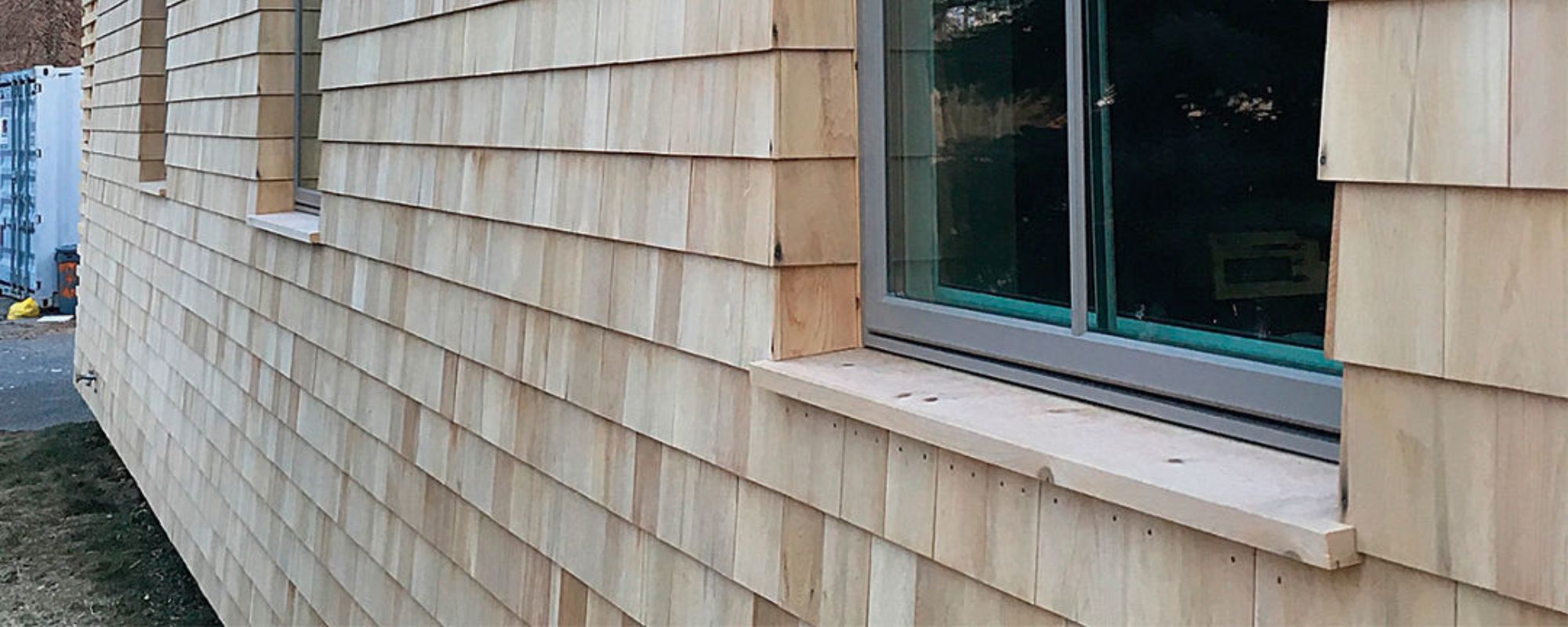
    Recessed windows are installed inside the exterior wall, meaning they are set back from the outer surface of the building. This creates a visible depth or “recess,” forming a small alcove or ledge around the window.

    Characteristics of Recessed Windows

    • Set deep into the wall, creating a layered or shadowed effect.
    • Often used in traditional or classical architecture but can also complement modern designs.
    • Provide extra insulation and shade, reducing direct sunlight exposure.
    • Can create a cozy seating space or decorative shelf inside.

    Advantages of Recessed Windows

    • Better Insulation & Energy Efficiency – Since they are embedded within the wall, recessed windows provide better thermal insulation, reducing heat loss in winter and keeping interiors cool in summer.
    • Enhanced Aesthetics – The depth of recessed windows adds architectural detail, creating a sophisticated and stylish look.
    • Improved Soundproofing – The deeper installation helps in reducing external noise, making them ideal for homes in busy or noisy areas.
    • Protection from Rain & Sun – The recessed design provides natural shade, reducing glare and heat while also preventing excessive rain exposure.

    Disadvantages of Recessed Windows

    • Less Natural Light – Since recessed windows are set back, they allow less sunlight into the room compared to flush windows.
    • Challenging Cleaning & Maintenance – Dust and debris can accumulate on the ledge, requiring regular cleaning.
    • Higher Installation Cost – Requires thicker walls and additional construction work, making them more expensive than flush windows.

    What Are Flush Windows?

    Flush windows are installed in line with the exterior wall, meaning the window frame sits level with the surface of the building. This creates a sleek and modern look without any visible depth.

    Characteristics of Flush Windows

    • Installed flat with the exterior wall, providing a smooth, uniform surface.
    • Frequently used in modern, contemporary, and minimalist architecture.
    • Maximizes natural light, allowing more sunlight to enter the space.
    • Easier to clean and maintain compared to recessed windows.

    Advantages of Flush Windows

    • Sleek & Modern Appearance – Flush windows offer a clean, seamless design that enhances the look of contemporary homes.
    • More Natural Light – Since they sit flush with the wall, they allow more sunlight to enter, brightening up interiors.
    • Easy Maintenance – Without a deep frame or ledge, dust and dirt buildup is minimal, making cleaning easier.
    • More Space-Efficient – Flush windows do not protrude inward or outward, making them ideal for compact spaces.

    Disadvantages of Flush Windows

    • Less Insulation – Since they are not embedded within the wall, flush windows offer less thermal insulation compared to recessed windows.
    • More Exposure to Weather Elements – Since they are directly exposed, they are more susceptible to rain, heat, and wind damage over time.
    • Less Depth for Decoration or Seating – Unlike recessed windows, flush windows do not provide extra space for window seats, shelves, or decorative ledges.

    When to Choose Recessed Windows vs. Flush Windows?

    Here is what you should keep in mind about choosing recessed windows vs flush windows – 

    1. Best for Recessed Windows
    • Homes in hot or noisy areas where insulation and soundproofing are important.
    • Classic, rustic, or European-style homes that benefit from deep window placements.
    • Rooms that need built-in shelves or cozy seating areas near the window.
    • Homes with thicker walls that can accommodate the recessed installation.
    1. Best for Flush Windows
    • Modern, contemporary, and minimalist homes where sleek aesthetics matter.
    • Rooms that need maximum natural light to enhance brightness.
    • Homes in urban settings where space-saving window designs are beneficial.
    • Homeowners looking for low-maintenance and easy-to-clean window options.

    Which One Should You Choose?

    The choice between recessed and flush windows depends on your home’s architectural style, insulation needs, and personal preferences.

    • If you prioritize energy efficiency, insulation, and a textured architectural look, go for recessed windows.
    • If you want a sleek, modern aesthetic with maximum natural light and minimal maintenance, flush windows are the better option.

    It’s also important to consider the climate and location of your home. In colder regions, recessed windows are preferable due to their insulation properties, while flush windows are ideal for homes in warmer, sunnier climates where natural light is a priority.

    Conclusion

    Both recessed and flush windows have their unique benefits and drawbacks. Recessed windows offer better insulation, soundproofing, and a classic look, while flush windows provide a modern, sleek aesthetic with more natural light.

    Choosing the right type of window depends on your design preferences, energy efficiency needs, and overall home style. Whether you opt for recessed or flush windows, make sure they align with your comfort, budget, and architectural goals.

  • How Do I Identify a Window Sash?

    How Do I Identify a Window Sash?

    Windows play a crucial role in the overall structure and functionality of a building. They provide ventilation, natural light, and aesthetic appeal while contributing to energy efficiency and security. Among the various components of a window, the window sash is one of the most important, yet often misunderstood, parts.

    Many homeowners and property managers struggle to identify a window sash, particularly when dealing with window repairs or replacements. Understanding what a window sash is, how to locate it, and the role it plays in a window’s structure can help in maintaining or upgrading windows effectively.

    This guide provides a detailed explanation of what a window sash is, how to identify it, and why it is essential in different types of windows.

    What Is a Window Sash?

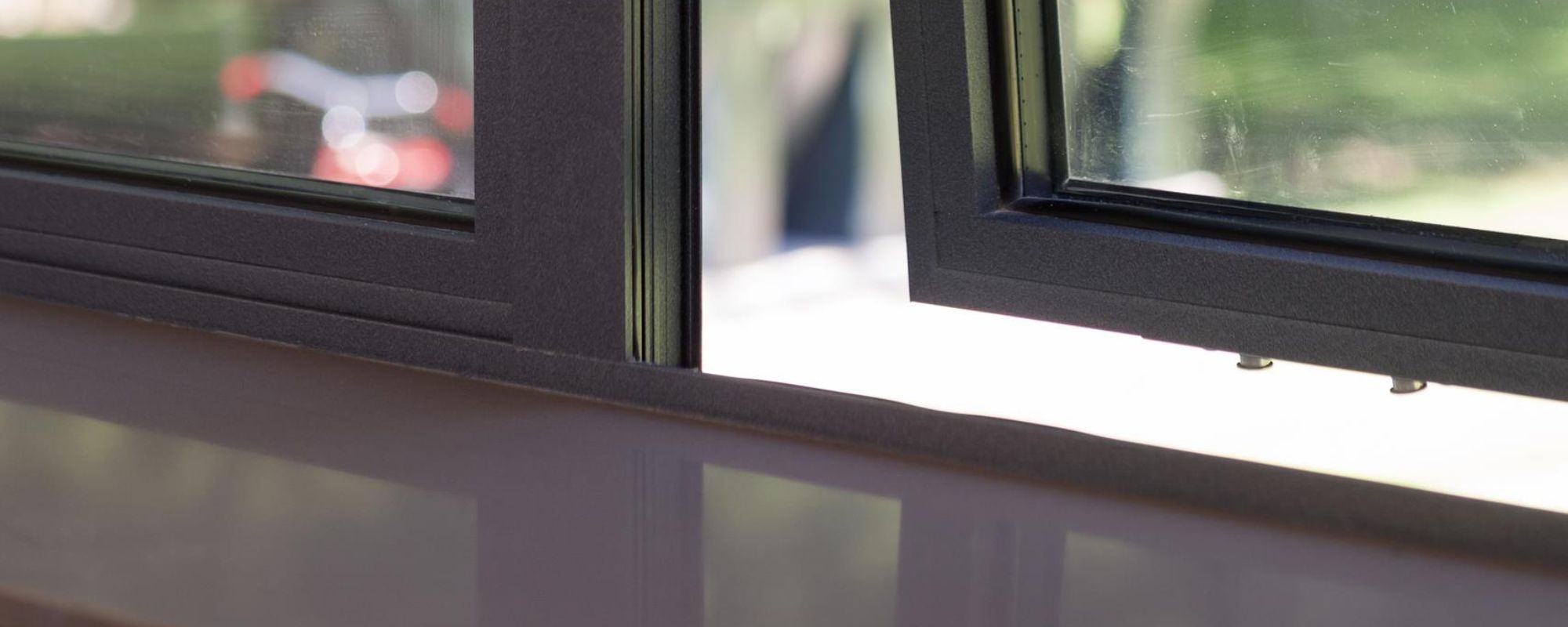
    A window sash is the movable or fixed frame that holds the glass panes in place within a window structure. It is an integral part of both single-hung and double-hung windows, as well as casement and sliding windows.

    The sash is responsible for supporting the glass while allowing the window to open and close smoothly. Depending on the type of window, the sash may be operable (movable) or stationary. It is typically made of materials such as wood, vinyl, aluminum, or fiberglass.

    Key Characteristics of a Window Sash:

    • It is a framed unit that holds the glass panes together.
    • It can be either movable or fixed, depending on the window type.
    • It contributes to the structural integrity and insulation of the window.
    • It is usually fitted with tracks, hinges, or pulleys for smooth operation.

    How to Identify a Window Sash?

    Identifying a window sash requires an understanding of how different types of windows function. The sash is generally the main component that allows the window to move or holds the glass panes in place. Here are some ways to identify a window sash:

    Check for Movable Sections

    • In double-hung or single-hung windows, the sash is the part of the window that moves up and down.
    • In casement windows, the sash is the section that swings open like a door.
    • In sliding windows, the sash is the horizontal panel that slides side to side.

    Look at the Frame Around the Glass

    • The sash is usually the rectangular or square frame that holds the glass securely in place.
    • It often has seals or weather stripping to prevent air leaks and improve insulation.

    Examine the Locking Mechanism

    • The window lock is generally attached to the sash.
    • If the window has two moving sashes, the locking mechanism is usually located where the two sashes meet in the middle.

    Identify the Window Type

    Since the sash operates differently depending on the window style, knowing the type of window you have will help in identifying the sash more easily.

    Different Types of Window Sashes

    The design and function of a window sash vary based on the type of window. Below are some of the most common window types and how their sashes operate:

    Single-Hung Windows

    • Feature one movable sash (the lower sash moves up and down, while the upper sash remains fixed).
    • The sash is identified as the section that slides vertically within the frame.

    Double-Hung Windows

    • Have two movable sashes, both the upper and lower sections can slide up and down.
    • The sashes are identifiable as the top and bottom frames that hold the glass.

    Casement Windows

    • Have a single sash that swings open outward using a hinge.
    • The sash is the entire framed unit that holds the glass and is attached to a hinge on the side.

    Sliding Windows

    • Have one or more horizontal sashes that slide side to side.
    • The sash is the moving section that glides along the track.

    Fixed Windows

    • Do not have a movable sash since they are permanently fixed in place.
    • The sash in a fixed window is essentially the outer frame that secures the glass.

    The Importance of a Window Sash

    A window sash is more than just a frame for the glass. It plays a significant role in the energy efficiency, security, and durability of the window.

    Provides Structural Support

    • The sash keeps the glass securely in place, preventing movement or shifting over time.
    • It ensures the window remains properly sealed to reduce drafts and energy loss.

    Enhances Energy Efficiency

    • Well-constructed sashes help in maintaining indoor temperatures by reducing heat loss in winter and heat gain in summer.
    • Modern sashes often come with insulated glass and weather stripping for improved thermal performance.

    Improves Security

    • The locking mechanisms are usually installed on the sash, making it a critical component in window security.
    • A damaged sash can make the window easier to open from the outside, increasing security risks.

    How to Maintain a Window Sash?

    Since window sashes are constantly exposed to environmental elements, proper maintenance is essential for ensuring their longevity. Below are some ways to maintain a window sash:

    Regular Cleaning

    • Use a mild detergent and water to clean the sash frame and remove dirt and debris.
    • Avoid harsh chemicals that could damage the material, especially for wood sashes.

    Inspect for Damage

    • Check for signs of warping, cracking, or rotting, especially in wooden sashes.
    • Ensure the weather stripping and seals are intact to prevent drafts.

    Lubricate Moving Parts

    • For sliding and hung windows, apply lubricant to tracks and pulleys to maintain smooth operation.
    • Avoid using oil-based lubricants, as they can attract dust and dirt.

    Repaint or Seal When Necessary

    • Wooden sashes require periodic repainting or sealing to protect them from moisture and sun damage.
    • Vinyl and aluminum sashes may need occasional cleaning and polishing to maintain their appearance.

    When to Replace a Window Sash?

    Over time, a window sash may become damaged, warped, or inefficient, leading to poor window performance. Some signs that indicate the need for a sash replacement include:

    • Difficulty opening or closing the window due to misalignment.
    • Drafts or increased energy bills due to gaps in the sash frame.
    • Visible damage, such as cracks, rot, or warping in the sash.
    • Condensation between glass panes, which indicates a failed seal.

    If the sash is beyond repair, replacing it can restore functionality and improve energy efficiency without having to replace the entire window.

    Conclusion

    Identifying a window sash is essential for understanding how your windows function and ensuring proper maintenance or replacement when necessary. By knowing where the sash is located and how it operates, homeowners can make informed decisions about repairs, energy efficiency improvements, and window upgrades.

    A well-maintained window sash contributes to better insulation, security, and aesthetic appeal, making it a vital component of any window structure. Whether you have a single-hung, double-hung, casement, or sliding window, recognizing the sash will help in keeping your windows in optimal condition for years to come.

  • Condensation on Outside of Double Glazed Windows

    Condensation on Outside of Double Glazed Windows

    New double or triple-glazed windows enhance the appearance of a property while providing improved security, thermal performance, and interior comfort. They also help reduce condensation compared to older single-glazed wooden or metal windows; however, you might notice condensation on outside of double glazed windows during certain times of the year.

    It’s important to note that condensation on the exterior of double-glazed windows is not a cause for concern. This occurs because the new windows effectively prevent heat loss from inside the room. However, if you see condensation between the two panes of glass within the sealed unit, and it is not accessible to touch, this indicates that your double-glazed unit needs to be replaced.

    Here is what you need to know About Condensation on Outside of Double Glazing.

    1. Condensation on the outer glass panel of double-glazed windows suggests that they are energy-efficient.  

    The double-glazed windows made from aluminium, uPVC, or timber available today are more energy-efficient than ever. So, why does condensation occur on the outside of double-glazing? The truth is that some moisture or condensation is common, even on the newest windows.

    Whether you choose thermally broken aluminium, multi-chamber uPVC, or solid profiles of natural wood, the design of modern windows reduces heat loss and helps save money on energy bills. The insulated window frames work in conjunction with advanced glass units that feature coatings and gases, making use of the latest glass technology.

    This energy efficiency aligns with current Building Regulations. Window Energy Ratings and U-Values are set to improve, which bodes well for those looking for the best new windows available.

    However, one consequence of modern window frames and high-specification glass is the appearance of condensation on the outside of double-glazed units. This happens when the outside temperature is warmer than the outer pane of glass. The low-emissivity coatings and the additional pane of glass in triple glazing prevent heat from escaping to the outside. As a result, the outer pane remains cool and condensation forms on it.

    Regardless of whether your new windows have a good C rating, a very good B rating, or an excellent A rating, they are functioning properly by keeping heat inside the room and blocking cold air from entering. Therefore, do not be alarmed if you notice condensation on the outer pane of your new windows; they are simply doing their job.

    2. What to do when you see condensation between the panes of glass?

    If you notice condensation forming between the two panes of glass inside a sealed unit, it indicates that your double-glazed unit needs to be replaced. This usually means that the hermetic seal that holds the glass panes together has failed, allowing air and moisture to enter. In this case, it’s time to change the glass, although you may not need to replace the entire window itself.

    Condensation on the inside of double-glazed windows is not a fault; instead, it is often a natural consequence of how we live in our homes. Activities such as cooking, drying laundry indoors, heating, showering, and even breathing release moisture into the air, which can lead to condensation.

    When water vapor comes into contact with a cold surface, like the glass of a window, it turns back into liquid and settles there. Even with modern double-glazed windows, condensation on the interior cannot be completely avoided. However, there are several steps you can take to reduce moisture in your rooms and, consequently, condensation.

    1. Use Trickle Vents: If your windows are equipped with trickle ventilators, keep them open to allow a steady flow of fresh air into your room. These small and discreet vents are an effective way to improve ventilation.
    2. Ventilate Regularly: Open windows whenever possible to let fresh air circulate throughout your home. Avoid creating excess moisture by refraining from drying clothes over radiators or running a tumble dryer in a closed room. Leaving internal doors open can improve air circulation.
    3. Bathroom and Kitchen Ventilation: Make sure to ventilate your bathrooms while bathing or showering, and do the same in the kitchen while cooking.

    For more information about the causes of condensation in the home, you can visit the Glass and Glazing Federation website.

    3. Why does condensation on outside of double glazed windows occur in the morning?

    Condensation on the outside of double glazing is a common occurrence and can be compared to the moisture that sometimes appears on car windows during certain weather conditions. This happens because moisture tends to settle on the first cold surface it encounters, which in this case is the outer glass of the window.

    You might notice condensation forming in the centre of the window panes or in other areas, while the edges where the glass meets the insulated frame often show less condensation.

    Once the external temperature rises, you’ll likely see the moisture evaporate, leaving you with a clear view through the glass. This natural process is a reminder of how temperature differences can affect the visibility of condensation, and it typically resolves itself with changing weather conditions.

    4. New windows cannot completely eliminate condensation.

    Many people believe that installing new windows will resolve condensation issues experienced with old, single-pane windows. While replacing outdated windows with modern, insulated ones will certainly improve the situation, be cautious of any salesperson who claims that condensation will no longer be a problem.

    As mentioned, various factors contribute to moisture formation on windows, and it’s essential to understand that this is not solely the window’s fault. While cutting-edge window technology and design can enhance your living space, no new window will entirely eliminate condensation.

    Condensation on Outside of Double Glazed Windows
    Condensation on Outside of Double Glazed Windows

    5. Why you should not worried condensation on the outside of double-glazed window?

    Condensation on the outside of double glazing is completely normal and not a cause for concern. This occurs because modern window frames and glass are highly effective at preventing heat loss from your home.

    While condensation can obstruct your view and be somewhat frustrating, it’s important to understand that it is a natural phenomenon. However, it’s a good idea to take steps to reduce moisture levels inside your room.

    If you have any concerns or questions about condensation and your windows, please feel free to reach out to us. We are here to help!