Durajoin Aluminium Windows and Doors

Category: Window Guide

  • Benefits of Casement Windows: Cost, Styles & Installation Guide (2026)

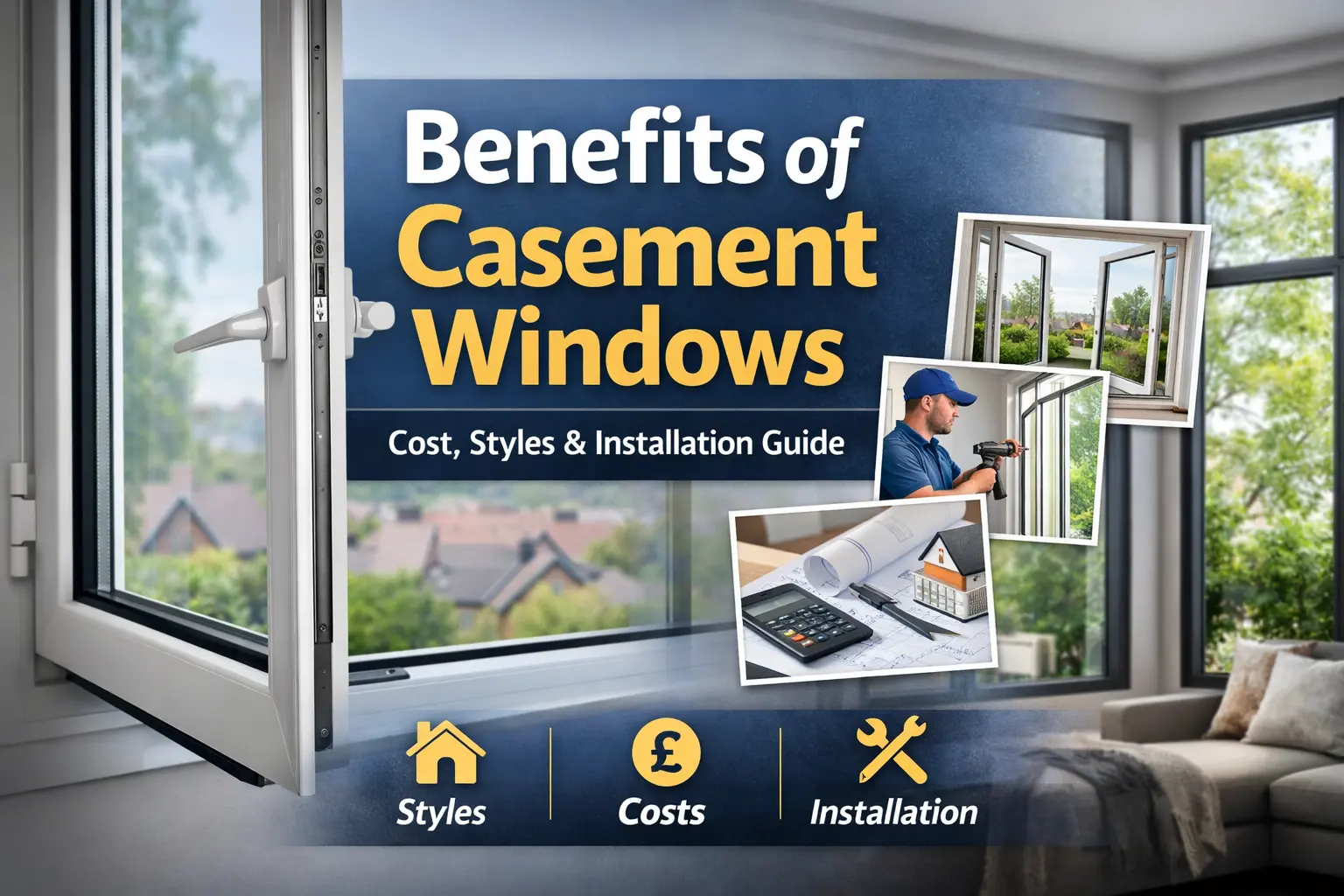
    Benefits of Casement Windows: Cost, Styles & Installation Guide (2026)

    If you’re exploring options for new windows, understanding the benefits of casement windows is a great place to start. Known for their energy efficiency, security, and versatility, casement windows are one of the most practical choices for modern and traditional homes.

    In this guide, we’ll explain everything you need to know — including types, advantages, and installation considerations — so you can make the right decision for your property.

    What Are Casement Windows?

    Casement windows are side-hinged windows that open outward like a door. They are widely used across UK homes because of their simple functionality and strong sealing performance.

    Key Features:

    • Hinged on the side
    • Open outward for maximum airflow
    • Secure multi-point locking system
    • Available in aluminium, uPVC, and timber

    If you’re looking for professional installation, visit our casement windows London page.

    Benefits of Casement Windows

    1. Energy Efficiency

    Casement windows create a tight seal when closed, helping reduce heat loss — ideal for London’s climate.

    2. Enhanced Security

    With advanced locking systems, they are one of the most secure window types.

    3. Modern & Classic Designs

    Suitable for:

    • Victorian homes
    • Modern apartments
    • New builds

    4. Excellent Ventilation

    They open fully, allowing maximum airflow, perfect for kitchens and living areas.

    Casement Windows Cost in London

    The cost of casement windows in London can vary depending on several factors, including:

    • Window size and design
    • Frame material (aluminium or uPVC)
    • Type of glazing
    • Installation requirements
    • Property type

    Because every project is different, it’s best to get a tailored quotation based on your exact requirements.

    Get a Free Quote for Casement Windows in London

    If you’re planning to install or replace casement windows, our team at Durajoin Aluminium Windows and Doors can help.

    ✔ Custom designs for your home
    ✔ Expert advice
    ✔ Professional installation across London

    👉 Fill out the quotation form to get your free, no-obligation quote.

    Popular Casement Window Styles in London

    1. Flush Casement Windows

    • Sleek, modern appearance
    • Sits flat within the frame

    2. French Casement Windows

    • Double opening without a central bar
    • Perfect for wide openings

    3. Top-Hung Casement Windows

    • Hinged at the top
    • Ideal for ventilation even during rain

    4. Side-Hung Casement Windows

    • Most common style
    • Easy to operate

    Aluminium vs uPVC Casement Windows

    FeatureAluminiumuPVC
    DurabilityVery HighModerate
    DesignSlim & ModernBulkier
    MaintenanceLowLow
    CostHigherAffordable

    For premium homes in London, aluminium is the preferred choice.

    Casement Window Installation in London

    Proper installation is crucial for performance and longevity.

    What to Expect:

    • Site survey and measurement
    • Removal of old windows
    • Professional installation
    • Sealing and finishing

    Installation Time: Usually 1–2 hours per window
    Always choose experienced local installers to ensure quality.

    Are Casement Windows Right for Your Home?

    Casement windows are suitable for a wide range of properties, but choosing the right style depends on your specific needs.

    They are ideal for:

    • Homes that require better ventilation
    • Properties looking to improve energy efficiency
    • Modern and traditional designs

    However, they may not be suitable for areas where outward opening space is limited.

    Understanding your property layout helps you choose the most effective window solution.

    Why Choose a Local London Supplier?

    Working with a London-based company like Durajoin Aluminium Windows and Doors ensures:

    ✔ Faster installation
    ✔ Better understanding of local property styles
    ✔ Custom aluminium casement windows
    ✔ Easy after-sales support
    ✔ Competitive pricing

    How to Choose the Right Casement Windows

    Before buying, consider:

    • Your home style (modern vs traditional)
    • Budget
    • Energy efficiency ratings
    • Frame material
    • Security features

    📞 Get Expert Advice in London

    If you’re planning to upgrade your windows, it’s best to speak with experts who understand the London market.

    At Durajoin Aluminium Windows and Doors, we offer:

    ✔ Custom aluminium casement windows
    ✔ Expert installation across London
    ✔ Free consultation & quotes

    Visit our Google Business Profile to learn more about Durajoin Aluminium Windows and Doors and see customer reviews.

    Conclusion

    Casement windows are an excellent investment for London homes, offering style, security, and energy efficiency.

    By understanding the benefits of casement windows in terms of costs, styles, and installation process, you can confidently choose the best option for your property.
  • How to Choose Aluminium Windows in London: A Complete Homeowner’s Guide

    How to Choose Aluminium Windows in London: A Complete Homeowner’s Guide

    Choosing the right windows is a major decision for any homeowner—but when you live in London, the choice becomes even more important. From changing weather conditions and energy efficiency requirements to noise control and building regulations, selecting the right aluminium windows can make a big difference to your home’s comfort and value.

    This guide explains how to choose aluminium windows in London, helping you make a confident, informed decision.


    Why Aluminium Windows Are Popular in London Homes

    Homeowners across the city are increasingly choosing aluminium windows in London because they offer the perfect balance of strength, style, and performance.

    Key benefits for London properties:

    • Slim frames that maximise natural daylight

    • Excellent durability for urban environments

    • Low maintenance and corrosion resistance

    • Modern appearance suitable for new builds and renovations

    • High energy efficiency with advanced glazing options

    Whether you live in a townhouse, apartment, or contemporary home, aluminium windows suit a wide range of London properties.


    1. Understand Your Home’s Needs in London

    Before choosing aluminium windows, consider how they will be used in your home.

    Ask yourself:

    • Is your property modern, traditional, or period-style?

    • Do you need improved sound insulation from traffic or rail noise?

    • Are you upgrading for better energy efficiency?

    • Are planning or building regulations involved?

    Choosing aluminium windows for homes in London means factoring in location, surroundings, and property type—not just appearance.


    2. Choose the Right Type of Aluminium Window

    Different window styles work better in different rooms and layouts.

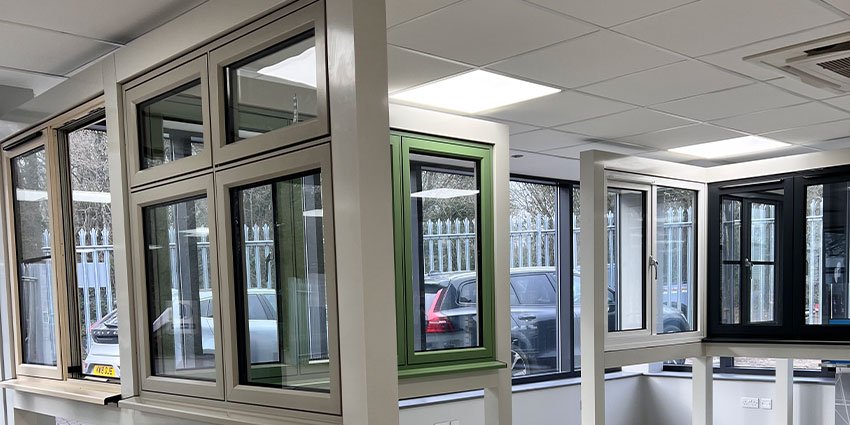
    aluminium windows London

    Common aluminium window options:

    Casement Windows
    Ideal for bedrooms and kitchens, offering excellent ventilation and security.

    Sliding Windows
    Perfect for London homes with limited space, especially apartments.

    Tilt & Turn Windows
    Popular in modern London developments, combining ventilation and easy cleaning.

    Fixed / Picture Windows
    Great for maximising light and city views when ventilation is not required.

    Selecting the right configuration improves comfort and functionality.


    3. Energy Efficiency Matters in London’s Climate

    Energy efficiency is a key concern when choosing aluminium windows in London. Modern aluminium systems use thermal break technology to prevent heat loss.

    Look for:

    • Double or triple glazing

    • Low-E glass coatings

    • Thermally broken aluminium frames

    • Strong insulation ratings

    Energy-efficient aluminium windows help reduce heating costs, maintain indoor comfort, and meet UK building standards.


    4. Choose the Right Glass for Urban Living

    Glass choice plays a major role in performance—especially in busy London locations.

    Popular glazing options:

    • Double glazing for insulation

    • Triple glazing for enhanced efficiency

    • Acoustic glass for noise reduction

    • Laminated glass for added security

    • Solar control glass to reduce heat gain

    For homes near roads or rail lines, acoustic glazing can significantly improve quality of life.


    5. Security Features for London Homes

    Security is a top priority when selecting the best aluminium windows in London.

    Choose windows with:

    • Multi-point locking systems

    • Strong aluminium frames

    • Secure hinges and handles

    • Toughened or laminated glass options

    High-quality aluminium systems offer excellent protection without compromising style.


    6. Colours and Finishes That Suit London Architecture

    One major advantage of aluminium windows London homeowners love is design flexibility.

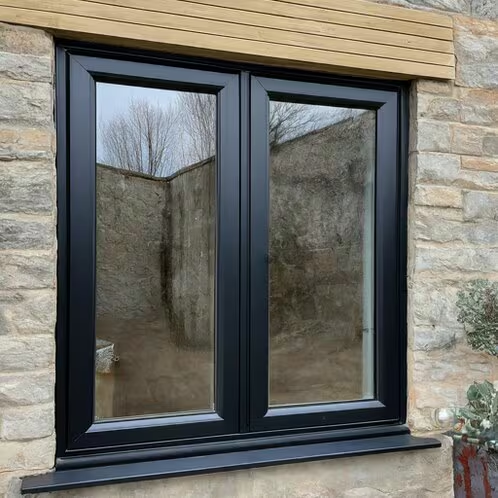
    how to choose aluminium windows in London

    You can choose:
    • Neutral tones like black, grey, or white

    • Custom RAL colours

    • Dual-colour finishes (different inside and outside)

    • Matte or textured coatings

    Choose finishes that complement your interior design and the exterior character of your property.


    7. Professional Aluminium Window Installation in London

    Even the highest-quality windows won’t perform well without proper installation.

    Professional aluminium window installation in London ensures:

    • Accurate measurements

    • Weather-tight sealing

    • Smooth window operation

    • Long-term durability and performance

    Always work with experienced installers who understand London properties and local regulations.


    8. Balancing Cost and Long-Term Value

    While aluminium windows may cost more initially, they offer excellent long-term value. Their durability, minimal maintenance, and energy efficiency make them a smart investment for London homes.


    Final Thoughts

    Knowing how to choose aluminium windows in London comes down to understanding your home’s needs, selecting the right window style, prioritising energy efficiency and security, and ensuring professional installation.

    When chosen correctly, aluminium windows enhance:

    • Natural light

    • Energy efficiency

    • Security

    • Property value

    • Modern aesthetics

    If you’re upgrading your home, aluminium windows are a reliable, stylish, and future-proof choice.

  • Replacing the Windows in a Listed Building: A Guide by Experts

    Replacing the Windows in a Listed Building: A Guide by Experts

    Owning a listed property comes with a sense of pride, but when it’s time to update the windows, it also comes with strict rules. You can’t just swap out frames or upgrade to double glazing without the right permissions. Get it wrong, and you risk costly delays, refused consent, or even enforcement action.

    This guide walks you through how to replace windows in a listed building the right way, with expert advice, clear steps, and a focus on preserving what makes your home special. If you’re unsure where to begin or worried about making a costly misstep, you’re in the right place. 

    Stick around, and we’ll take you through every step.

    What Is a Listed Building? (Quick Refresher)

    A listed building is one that’s officially recognised for its special architectural or historical importance. In the UK, there are three grades:

    • Grade I — Buildings of exceptional interest (only about 2.5% of all listed properties)
    • Grade II* — Particularly important buildings of more than special interest
    • Grade II — The most common grade, covering buildings of special interest worth preserving

    No matter the grade, any change that affects the building’s character or appearance requires Listed Building Consent, and that includes windows. Frames, glazing, sightlines, and original materials are often protected, even if they look tired or seem outdated.

    Replacing them isn’t off-limits, but it needs to be done with care and with the right permissions in place.

    Can You Replace Windows in a Listed Building?

    Yes, you can replace the windows in a listed building, but only if you go through the right channels and meet strict conditions. Because listed status protects the architectural character of a property, windows are almost always considered part of that character. That means they can’t be swapped out or upgraded without formal Listed Building Consent.

    To get approval, any proposed change must preserve or enhance the historic look of the building. This applies not just to the shape and style of the frames, but also to materials, glazing type, opening method, and even the thickness of glazing bars or depth of putty lines.

    Double glazing is possible in many cases, but only when it’s done using conservation-grade units. These are designed to look nearly identical to traditional single-glazed sashes or casements, with slimmer profiles, authentic detailing, and often handmade timber frames. uPVC is almost never approved in listed buildings.

    Always check with your local conservation officer before making plans or placing orders. Replacing listed windows without consent can result in serious penalties, and you may be required to remove and replace new windows at your own expense, even if they’re brand new.

    What’s the Process for Getting Permission?

    Replacing windows in a listed building isn’t something you can rush, but with the right steps, it’s completely manageable. Here’s how the process usually works:

    1. Speak to Your Local Conservation Officer

    Before anything else, get in touch with your local planning authority and ask to speak with the conservation officer. They’ll give guidance on what’s likely to be accepted and what documentation you’ll need.

    2. Prepare a Listed Building Consent Application

    You’ll need to submit a formal application for Listed Building Consent. This is separate from standard planning permission and required for any work that affects the character of the building.

    3. Include Full Details

    Your application should include:

    • Scaled drawings of the existing and proposed windows
    • Specifications for materials, glazing, and hardware
    • Justification for why the change is needed
    • Photographs showing the condition and context
    • Heritage impact statements (if required)

    Expect the officer to focus on things like matching proportions, glazing bars, frame profiles, and whether the replacement will truly reflect the building’s original look.

    4. Use the Right Methods and Materials

    In most cases, approval depends on using traditional timber joinery, slimline double glazing, or exact-match replicas. Conservation-friendly products with modern performance and a period appearance are often accepted.

    5. Wait for Formal Approval

    Don’t place orders or start manufacturing until you have written consent. Turnaround times vary by council but can take 8–12 weeks. Once approved, you can proceed with fabrication and installation.

    What Types of Windows Are Allowed in Listed Buildings?

    Local authorities won’t approve just any window. To get Listed Building Consent, the proposed design must respect the original features, and in most cases, that means working with timber and staying true to the building’s existing appearance.

    Here are the most commonly accepted options:

    Timber Sash Windows with Slimline Double Glazing

    These are a popular solution when upgrading single-glazed sashes. The best conservation-grade units use slim double glazing that mimics the depth and proportions of traditional glass, while boosting thermal performance.

    Exact-Match Casement Windows

    For properties with original timber casements, the new design must match the frame shape, opening method, and even the hinge style. Any change in glazing bar layout or frame thickness can lead to a rejected application.

    Secondary Glazing

    If replacing the windows isn’t allowed, secondary glazing can be installed on the inside. It adds insulation and soundproofing without touching the original frame, often a good compromise in stricter conservation areas.

    Repairs vs Full Replacement

    Sometimes only part of the window is approved for replacement, like the sashes but not the frame, or damaged glazing but not the entire unit. If the timber is sound, expect the conservation officer to push for repair over full replacement.

    Every detail matters: frame depth, putty lines, glazing bar width, and sightlines all factor into whether an application is approved.

    Mistakes to Avoid

    When it comes to listed buildings, getting windows wrong isn’t just a design issue; it can lead to rejected applications, wasted money, or even legal trouble. These are some of the most common mistakes to watch out for:

    Ordering Windows Before Consent

    This is a costly misstep. No matter how well-made or “in keeping” the design may seem, installing windows without formal Listed Building Consent puts you at risk of enforcement action, and you may be forced to remove them at your own expense.

    Using the Wrong Materials

    uPVC and aluminium are rarely accepted in listed buildings. Even timber-look alternatives often fall short. Councils usually require real timber joinery that matches the original construction.

    Changing the Style

    Switching from sash to casement, or from side-hung to top-hung, is considered a significant change to the building’s character. Even small alterations to how a window opens can trigger a refusal.

    Missing Historical Details

    Features like glazing bars, horns, putty lines, and frame proportions are often overlooked, but they’re exactly the kind of details that planning officers look for. Getting these right can mean the difference between approval and rejection.

    On A Final Note;

    Replacing the windows in a listed building isn’t as simple as placing an order, and it shouldn’t be. These buildings carry history, character, and responsibility. But with the right guidance, it’s entirely possible to upgrade comfort and efficiency while staying true to the original design.

    The key is planning ahead, using the right materials, and working with people who understand both the regulations and the architecture. When done properly, the results can be seamless, blending heritage with performance in a lasting way.

    At DuraJoin, we take the pressure out of the process. From heritage surveys to council-ready drawings and expert joinery, we help you get it right the first time.

    Start your project today at durajoin.com or speak with our team for professional advice on replacing windows in your listed home.

  • How Much Do Triple-Glazed Aluminium Windows Cost in the UK?

    How Much Do Triple-Glazed Aluminium Windows Cost in the UK?

    You’re tired of watching your energy bills climb every winter while cold air creeps in around the edges of your windows. You might have already looked at double glazing, but it still doesn’t feel like enough, and now you’re hearing about triple glazed aluminium windows. 

    The only problem now is that no one gives you a straight answer on price. That’s where this guide comes in.

    If you’re planning a renovation, building a new home, or upgrading to meet modern energy standards, knowing the real cost of triple glazed aluminium windows in the UK can help you set a realistic budget. 

    So, in this article, we’ll break down average price ranges, what affects the final quote, and why aluminium triple glazing is becoming the go-to choice for homeowners and developers who want long-term performance, not just a short-term fix.

    Let’s get into the numbers, the benefits, and what to expect from your investment.

    Average Cost of Triple Glazed Aluminium Windows in the UK (2025)

    Triple glazed aluminium windows come at a premium, but the pricing isn’t one-size-fits-all. In 2025, the average cost per window in the UK typically ranges between £550 and £950 for supply only. 

    And if you’re looking for a full installation, expect prices to fall between £900 and £1,500 per unit, depending on the size and complexity of the project.

    Several variables can influence where you land on that spectrum:

    • Window size and shape: Larger, custom-shaped windows naturally cost more due to increased materials and fabrication time.
    • Glazing specifications: Features like argon gas fill, warm-edge spacers, and low-emissivity coatings impact thermal performance and pricing.
    • Frame finish and colour: Powder coating, anodising, or dual-colour systems may raise the final cost.
    • Installation factors: Labour costs vary by region, and access issues (like upper floors or awkward openings) can increase fees.

    Here’s a breakdown of typical costs based on window type and service:

    Window TypeSupply OnlySupply + Install
    Small (600×600 mm)£500–£600£850–£1,000
    Medium (1200×1200 mm)£650–£850£1,100–£1,400
    Large / Custom Sizes£900+£1,500+

    Keep in mind that these are ballpark estimates. For an accurate quote, it’s always best to speak with a supplier who can factor in your exact specifications, site conditions, and performance goals.

    What Affects the Cost of Triple Glazed Aluminium Windows?

    If you’ve started comparing prices already, you’ve probably noticed a wide range in costs. That’s because the final price of a triple glazed aluminium window depends on a handful of important factors, some obvious, others less so. 

    Here’s what can raise or lower your quote:

    • Frame Material and Finish
      All aluminium isn’t equal. Standard frames will cost less, while upgraded finishes like powder-coated colours or anodised aluminium come at a premium. These options improve durability and appearance but will increase the overall cost per unit.
    • Glazing Specifications
      The type of glass used can shift the price significantly. Features like argon gas fills, low-emissivity coatings, or laminated safety glass enhance performance but also increase cost. Triple glazing naturally includes more layers, so the spec really matters.
    • Window Size and Shape
      Larger or custom-shaped windows require more materials and often more labour. A square kitchen window won’t cost the same as a floor-to-ceiling unit or curved architectural glass.
    • Installation Complexity
      Costs can rise quickly depending on how easy or difficult the install is. Upper-floor access, structural alterations, or fitting into older buildings with non-standard openings can all push the price higher due to time and expertise needed on site.
    • Energy Ratings and Certifications
      Windows that meet Part L regulations or are certified by the British Fenestration Rating Council (BFRC) typically cost more, but they also deliver better performance, lower energy loss, and long-term compliance with UK building standards.

    Triple Glazed vs Double Glazed: Is the Price Worth It?

    Triple glazed aluminium windows offer clear performance advantages over double glazing. With lower U-values, better sound insulation, and improved thermal comfort, the difference is measurable. 

    Most double glazed aluminium systems in the UK range from 1.4 to 1.6 W/m²K, while triple glazing can achieve 0.8 to 1.0 W/m²K, a significant improvement for energy-conscious builds.

    Sound reduction is another key benefit. The extra pane and air gap in triple glazing act as an effective sound barrier, which makes a noticeable difference in busy urban areas or near roads and schools.

    While double glazing remains more affordable upfront, it offers lower performance and may not meet higher efficiency targets or long-term expectations in modern builds. For homeowners or developers focused on long-term value, thermal performance, and acoustic comfort, triple glazing is often the better investment.

    So, if you’re aiming for efficiency, comfort, and long-term value, triple glazing is well worth the upgrade.

    Benefits of Aluminium Triple Glazing

    Aluminium triple glazed windows combine strength, efficiency, and design flexibility, making them a smart choice for modern residential and commercial projects. Here’s what sets them apart:

    • Slim, Modern Sightlines
      Aluminium frames offer strength without bulk, allowing for larger glass areas and cleaner architectural lines. You get more natural light and a refined look, without compromising on structural integrity.
    • Built-in Thermal Breaks
      High-quality aluminium systems include thermal break technology, which reduces heat transfer and improves energy performance. This is essential when paired with triple glazing.
    • All-Weather Durability
      Aluminium resists warping, rotting, and corrosion. With the right finish, it stands up to heavy rain, wind, salt, and sun exposure, making it ideal for the UK’s unpredictable climate.
    • Minimal Maintenance
      Unlike timber, aluminium doesn’t need regular painting or sealing. A simple wipe-down keeps frames looking sharp, year after year.
    • Eco-Conscious and Fully Recyclable
      Aluminium is 100% recyclable without loss of quality. Choosing aluminium supports long-term sustainability goals and reduces waste during eventual replacements or renovations.

    When paired with triple glazing, these benefits multiply, resulting in a high-performance window solution that balances design, function, and energy efficiency.

    How to Get an Accurate Quote for Your Project

    Online estimates are a great starting point, but when it comes to pricing triple glazed aluminium windows, accuracy depends on the details. Every project is different. Size, spec, finish, access, and installation requirements all play a role in the final cost.

    The most reliable way to get a precise figure is with an on-site measurement. This allows the team to assess your property layout, confirm dimensions, and factor in any installation considerations that might affect time or cost.

    Customisation also impacts the price. Whether you’re choosing a specific colour, going with upgraded glazing, or needing shaped or oversized windows, these choices can shift your quote. That’s why speaking with a professional early on helps you plan realistically and avoid budget surprises later.

    At Dura Join, we offer expert support from the start. Our team will walk you through your options, explain what affects your quote, and help you make decisions that balance performance, style, and cost.

    Looking for a clear, no-pressure estimate? Contact us today to schedule a site visit or request a quote based on your project plans.

    On A Final Note:

    Triple glazed aluminium windows are a smart investment for anyone looking to improve energy efficiency, comfort, and long-term value. 

    While the upfront cost is higher than double glazing, the performance benefits, like better insulation, stronger soundproofing, and reduced energy loss, often justify the cost.

    The key is working with a supplier who understands the technical side of glazing, can offer honest guidance, and delivers products that meet modern standards. And at Dura Join, we specialise in high-performance aluminium window systems built for UK homes and commercial buildings. From supply to installation, you get quality, service, and results that last.

    So, if you’re planning a new build or upgrade and want windows that do more than just fill a frame, request your quote from Dura Join today. We’ll help you price your project properly and get it done right.

  • Best Triple Glazed Window Companies in the UK 

    Best Triple Glazed Window Companies in the UK 

    So this is you: you’ve decided triple glazing is the right move, maybe for the energy savings, or the soundproofing, or maybe just to futureproof your next build. But now you’re stuck on the next big question:

    Who can you actually trust to supply and install them properly?

    You want high-performance triple glazed windows, but you don’t want to waste time chasing quotes from companies that overpromise and underdeliver.

    The truth is, the UK window market is crowded. Every brand claims their triple glazing is the most efficient, the most durable, the most advanced. But which suppliers actually deliver the product quality, service, and long-term value you’re counting on?

    That’s where this guide comes in.

    We’ve pulled together a list of top triple glazed window companies in the UK, not just based on what they sell, but on what matters most to homeowners, architects, and developers: thermal performance, material strength, energy savings, and reliable supply.

    And if you’re still weighing up who to work with, we’ll also explain what separates a good glazing company from a great one, and why companies like Durajoin Windows and Doors continue to earn trust across the country.

    Let’s get into it.

    What Makes a Good Triple Glazed Window Supplier?

    Not all triple glazing is created equal, and neither are the companies behind it. Choosing the right supplier isn’t just about ticking a box for thermal performance. It’s about who’s going to deliver on time, install it right, and stand behind the product years down the line.

    Here’s what to look for when comparing suppliers:

    • Material and Glass Quality
      A strong frame means long-term performance. Look for suppliers who use thermally broken aluminium, premium seals, and glazing specs that meet or exceed UK energy standards. Laminated safety glass, argon-filled chambers, and warm edge spacers should be available, not optional.
    • Certifications That Back the Claim
      Any company worth your time should supply products certified under BFRC ratings or compliant with Part L of UK Building Regulations. These standards aren’t just technical, they directly impact how much energy your windows save and how well they insulate your space.
    • Reputation and Customer Feedback
      Look beyond the sales pitch. Check verified reviews, speak to past clients if possible, and find out how the company handles issues post-installation. A good supplier doesn’t disappear after the invoice is paid.
    • Reliable Lead Times and Communication
      Whether you’re building on a tight schedule or managing multiple trades, supply delays cause headaches. A strong company is honest about lead times from the start and keeps you in the loop throughout.
    • Professional Installation Support
      Even the best window system won’t perform if it’s poorly installed. Choose a supplier with a trusted installer network, or in-house teams that handle both supply and fit.
    • Sustainability Matters
      Eco-conscious clients are looking for more than energy ratings. Recyclable aluminium, reduced waste packaging, and transparent sourcing show that a company is thinking beyond the glass.

    Top Triple Glazed Window Companies in the UK

    There’s no shortage of window companies in the UK, but only a few consistently deliver high-performance triple glazed systems backed by solid service, modern design, and energy efficiency credentials. Here’s a look at some of the top names worth considering:

    Durajoin Windows and Doors

    Known for its focus on durable aluminium glazing systems, Durajoin supplies and installs triple glazed windows across London and the surrounding areas. With reliable lead times, clean sightlines, and custom fabrication options, the company is a trusted partner for residential and commercial projects. 

    Durajoin combines technical expertise with responsive, local support, making it a go-to for builders and homeowners who want the job done right the first time.

    Internorm

    An Austrian brand with a strong UK distributor network, Internorm is known for premium triple glazed windows that offer some of the best thermal values on the market. Their systems are sleek, ultra-efficient, and ideal for passive house-level builds. Pricing is at the top end, but performance matches the investment.

    Reynaers Aluminium UK

    Reynaers supplies aluminium framing systems that support triple glazing through a network of certified fabricators and installers. Their products are often used in large-scale commercial or architectural projects and offer great flexibility in terms of design, thermal break technology, and finishes.

    Everest

    A well-known name in UK home improvements, Everest offers triple glazing as part of their full-service model. Their range is broad, warranties are strong, and installation is handled in-house. While more common in the double glazing space, their triple glazed options are gaining traction for energy-conscious homeowners.

    AluK

    Based in the UK, AluK specialises in aluminium systems engineered for the UK climate. Their triple glazed-compatible frames are tested for thermal efficiency, weather resistance, and modern design compatibility. Products are distributed through partner fabricators nationwide, with strong trade backing.

    How Much Do Triple Glazed Windows Cost in the UK?

    Now that you’ve seen which companies stand out, you’re probably wondering what it’s actually going to cost.

    Triple glazed aluminium windows come with real performance benefits, but pricing can vary widely depending on size, frame spec, glazing type, and installation needs. Some companies quote low but cut corners on thermal efficiency or finish quality. Others charge more but deliver a system built to last.

    If you’re trying to plan your next step and want a clear breakdown of what to expect, we’ve put together a dedicated guide to help.

    Read: How Much Do Triple Glazed Aluminium Windows Cost in the UK?
    It covers price ranges, what affects your quote, and how to compare options confidently.

    Final Thoughts

    Finding the right triple glazed window company comes down to more than just product specs. It’s about reliability, long-term performance, and knowing the team you choose will deliver what they promise, including timely delivery, standard service, and no shortcuts.

    Every project is different. Your location, glazing goals, design preferences, and energy needs all shape the kind of supplier that fits. The companies listed above are trusted across the UK for a reason: they understand what’s at stake when windows are part of your investment.

    Do your research, ask the right questions, and compare more than just price. A well-chosen glazing partner doesn’t just make your build easier; it also helps futureproof it.

  • What is Bow Window?: Cost, Benefits, Differences and Material

    What is Bow Window?: Cost, Benefits, Differences and Material

    As someone who’s worked with windows for years, I’ve seen how the right window can improve a home greatly. Bow windows are among my favourite for their elegant appearance and practical benefits. In this guide, I’ll walk you through everything you need to know about bow windows – what they are, how they compare to bay windows, the different types available, benefits of double glazing, and what you can expect to pay. Let’s dive in!

    What is Bow Windows?

    When I first started in this industry, I confused bow windows with bay windows all the time! Now I know better. A bow window is a curved window that extends outward from your home’s exterior wall. The key thing that makes it a “bow” is its smooth, curved appearance.

    Bow windows typically consist of four or five identical panels arranged in a gentle arc. Each panel is angled at about 10 degrees, which creates the beautiful curved appearance I have come to admire. Unlike some other window styles, bow windows form a semicircle that protrudes from the home, making them an eye-catching feature both inside and out.

    The first time I installed a bow window, I was amazed at how much light it brought into the room. This is one of their biggest selling points—bow windows allow an abundance of natural light and provide wider views of the outdoors compared to standard flat windows.

    What is Difference Between Bay and Bow windows?

    I get asked about this all the time – “What’s the difference between a bay and a bow window?” While they might look similar at first glance, there are several key differences that can help you decide which is right for your home.

    First, the structure is different. Splayed or Square Bay windows typically have three panels – a larger central picture window with two smaller windows on the sides at an angle of 25-45 degrees. Bow windows, on the other hand, have four or more panels of equal size that create a smoother, curved appearance.

    Bay windows need less wall space – about 40 inches minimum compared to at least 80 inches for a bow window.. However, bow windows can actually create more interior space because of their wider curve.

    In terms of light, bow windows are the winner in my experience. Their greater number of glass panels and curved design allows more natural light to flood into a room. I installed bow windows in my own living room, and the difference was dramatic – the space instantly felt brighter and more open. Smart Heritage Windows profile is highly recommended. It slim frame allow more glass means more natural lights.

    Aesthetically, they create different effects. Splayed Bay windows or Square bay windows make a more dramatic, angular statement that works well with traditional homes. Bow windows offer a softer, more rounded look that can wrap around corners, which I find works beautifully with both modern and traditional designs.

    When helping clients choose, I consider their space, budget, and the look they want to achieve. If you’re working with limited wall space or want a more pronounced projection, a bay window might be better. If you value maximum light and a smoother, more elegant curve, I’d recommend a bow window.

    Exploring the Different Types of Bow Windows for Your Home

    Over the years, Durajoin team installed many different types of bow windows, and the variety might surprise you. Let me break down the main options:

    By Configuration and Angle

    The most common bow window I install has a 10-degree angle between panels, creating that classic gentle curve. You can choose how many panels you want – anywhere from 4 panels for a subtle curve to 8 panels for a more dramatic semicircle effect.

    Durajoin is one of Britain leading Bay and Bow windows manufacturers. We offers specific configurations such as:

    I recently installed an 8-panel bow window for a client who wanted to maximize their garden view, and the result was spectacular – almost like sitting in a glass observatory!

    By Material

    The frame material makes a huge difference in appearance, durability, and maintenance:

    1. uPVC Bow Windows: These are my most commonly requested option. They’re low maintenance, energy efficient, and come in various colours. White is popular, but woodgrain effects like oak and rosewood are gaining popularity.
    2. Wooden Bow Windows: I love the classic, warm look of wooden frames. They’re beautiful but require more maintenance. Oak, mahogany, and cherry each create a different effect with their unique grain patterns5.
    3. Aluminium Bow Windows: These offer a sleek, contemporary look with thin frames that maximize glass area. They’re incredibly durable and perfect for modern homes. Black bow windows are our top selling windows in London.

    In my own home, I would choose Aluminium frames with a Smart System’s Alitherm Heritage profile – I get the look of super slim frame along high security and energy efficiency without the maintenance headaches!

    The Benefits of Installing Double Glazed Bow Windows

    I always recommend double glazing for bow windows – the benefits are just too good to pass up. Double glazing means having two panes of glass with a sealed air gap between them. These gaps are filled with argon gas for better insulation. We also recommend triple glazed bow windows for clients who is willing to spend more for upgraded version of double glazing. It is more efficient than double glazing.

    The first thing you’ll notice with double glazed bow windows is the dramatic increase in natural light. I installed these in a client’s north-facing room that used to feel dark and cramped. The bow window’s curved design combined with clear glass in double glazing transformed it into the brightest room in the house.

    The energy efficiency is impressive too. That sealed air gap between the glass panes creates an insulating barrier that keeps heat in during winter and out during summer. One client told me their heating bills dropped by about 15% after we installed their double glazed bow windows!

    Sound insulation is another major benefit I’ve personally experienced. My previous home was near a busy road, and installing double glazed bow windows reduced the traffic noise significantly. The two panes with an air gap dampen sound waves, creating a much more peaceful environment inside.

    Security is also enhanced. Double glazed windows are much harder to break through than single glazing, giving you better protection against break-ins. I always sleep better knowing my aluminium windows provide that extra layer of security.

    And let’s not forget the aesthetics – double glazed bow windows create an eye-catching feature that enhances both your interior and exterior. I’ve had many clients comment on how their bow windows became the focal point of their living space while adding character to their home’s façade.

    How Much Do New Bow Windows Cost in the UK?

    Let’s talk money – always an important consideration! Based on my experience in the industry, bow windows are generally more expensive than bay windows, primarily because they involve more window panels and a more complex installation process.

    In the UK market right now, you can expect to pay between £1,430 and £2,700 per bow window. Bay windows, for comparison, typically range from £1,190 to £2,700. The price difference reflects the additional materials and labour cost required for bow windows.

    Several factors affect the final cost:

    1. Size: Larger bow windows obviously cost more. A small bow window for a bedroom might be at the lower end of the range, while a grand bow window for your living room could push toward the upper limit.
    2. Material: Frame material significantly impacts price. In my experience, uPVC is the most affordable option, while wood and aluminium frames can increase costs by 30-50%. Additional cost definitely brings more benefits such as security, modern look and long lifespan.
    3. Glazing options: Standard double glazing is included in most quotes, but if you want special features like decorative glass, leaded designs, or triple glazing, expect to pay more.
    4. Colour: White uPVC is the standard, but if you want woodgrain effects or custom colours, this can add 35-40% to the cost. I think it’s often worth the extra expense for the right aesthetic.
    5. Installation complexity: If structural modifications are needed, costs will increase. I recently worked on a project where we had to reinforce the wall opening, which added about £300 to the final bill.

    From my experience, a typical medium-sized uPVC double glazed bow window, fully installed, averages around £2,000 in most parts of the UK. It’s a significant investment, but one that adds real value to your home while enhancing your living space.

    Conclusion

    Bow windows are one of my favourite features to add to a home. Their curved design brings in abundant natural light, creates additional space, and adds architectural interest both inside and out. While they’re typically more expensive than bay windows, the benefits they offer in terms of aesthetics, light, and potential added value to your property make them worth considering.

    If you’re thinking about installing bow windows, my advice is to work with a reputable supplier who can show you examples of their previous installations. Take your time choosing the right configuration, materials, and glazing options to ensure your new bow windows enhance your home for years to come. Receive a free quote from Durajoin along with free advice over call to make right decision.


  • Splayed Bay Windows: A Complete Guide

    Splayed Bay Windows: A Complete Guide

    Have you ever wished that your living room felt brighter, more spacious, and architecturally stunning—without undergoing a major renovation? Splayed bay windows could be the answer. Whether you’re a homeowner looking to renovate your home or a professional involved in new construction project, this comprehensive guide will help you make the most of splayed bay windows. It covers everything from design inspiration to technical know-how.

    What is Splayed bay window?

    A splayed bay window is a type of bay window commonly found in Victorian properties in the UK. It is made of 3 sections of windows. It often features a central large window section along with smaller side panels that are angled or “splayed” outwards. This design creates a trapezoidal shape, allowing for more light and space inside the room. Splayed Bay Windows also known as Canted bay windows.

    Splayed bay windows originated in medieval architecture, typically seen in castles and manor houses. They were designed to offer wider views and allow more light into rooms. Over time, this design evolved and became popular in Victorian and Edwardian homes, valued for both its aesthetic appeal and practical benefits.

    How Splay Bay Window is Different from Other Bay Windows Types?

    There are four types of bay windows commonly seen in UK homes: Splay Bay, Square Bay, Single-End, and Bow Windows. While all bay window structures extend outward from the main external wall, the main difference lies in their structural shape. Square bay windows and splay bay windows both consist of a main middle casement window section and two side sections of windows. In square bay windows, the side windows are positioned at a 90-degree angle to the main middle section, creating a rectangular or square shape. In contrast, splayed bay windows have side panels that are angled outward (more than 90 degrees), resulting in a trapezoidal shape. Bow windows consist of four or more windows that create a gentle curve, resulting in a more rounded appearance. Single-End bay windows have one side panel instead of two.

    Splayed Bay Windows Comparison With Regular Square Bay Windows and Bow Window
    FeatureSplayed Bay WindowSquare Bay WindowBow Window
    Side Panel AnglesAngled outward (trapezoidal)Perpendicular (rectangular)Multiple panels, gentle curve
    AppearanceDynamic, contemporary or classicTraditional, boxyElegant, rounded
    View & LightWide, panoramicFocused, less expansiveSweeping, curved

    What are the Benefits of Splayed Bay Windows?

    Aesthetic Appeal: They enhance architectural interest and add elegance to a property, creating a more dynamic and visually appealing façade both inside and out.

    Internal Space: Outward side window shape create additional space inside the house. That can be used for various purpose such as seating, storage and display.

    Increase Natural Light: The angled design allows sunlight to enter the room from multiple directions, brightening the interior space and reducing the need for artificial lighting.

    Improved Ventilation: Openable side windows, positioned at an angle, enhance airflow and ventilation in the room.

    How much Splayed Bay Windows Cost You?

    The cost to Supply and install splayed bay window typically ranges from £900 to £3,000, depending on factors such as size, materials, and labor costs.

    Consult with Durajoin team to get free precious cost of supply only and with installation of bay windows free! : Get Free Quote

    What Material are best for splay windows?

    Splayed bay windows are made from a variety of materials, each offering specific advantages:

    Wood: Provides a classic and warm appearance while delivering good insulation. However, it requires regular maintenance.

    uPVC: A low-maintenance and cost-effective option with strong insulation properties. It is available in different styles and colors.

    Aluminium: Known for its strength and durability, aluminium bay windows frames are often slim, which maximizes the glass surface area. They also require minimal maintenance.

    FAQ:

  • Do You Need Planning Permission for a Bay Window?

    Do You Need Planning Permission for a Bay Window?

    Bay windows are a popular choice for home improvement feature, adding character, natural light, and extra space to your property. However, before installing or replacing a bay window, it’s important to understand the planning permission requirements. This guide provides a detailed overview of when you required to obtain planning permission and When planning permission does not needed from building control for bay windows in the UK, incorporating key considerations such as permitted development rights, building regulations, and specific design rules.

    What Is a Bay Window?

    A bay window is a structure that extends outward from the main external wall of a building. Unlike flat casement windows, bay windows create extra interior space and often enhance the aesthetic appeal of a property. From a regulations planning perspective, bay windows are typically considered as small extensions rather than simple window replacements. 

    In the UK, minor home improvements, such as standard window replacements, often fall under “Permitted Development” (PD) rights, which allow certain building works to be completed without needing a formal planning application. However, adding bay windows occupies a complex position within these regulations due to their projecting nature.

    When Planning Permission IS Required for Bay Windows?

    You will need to obtain permission from local planning authority for a bay window in the following scenarios:

    1. Adding New Bay Windows to the Front of Your House

    Installing a new bay window on the principal elevation (front-facing side of your house) almost always requires planning permission. This is because front-facing changes significantly impact the appearance of your property and may alter the character of the street.

    2. Replacing Standard Windows with Bay Windows

    If you are converting a standard flat window into a projecting bay window, planning permission is required. This applies even if the new bay window is relatively small because it changes the external footprint of your property.

    3. Properties Without Permitted Development Rights

    Planning permission is required if:

    • Your property is in a Conservation Area or an Area of Outstanding Natural Beauty (AONB).
    • Your home is listed buildings or subject to an Article 4 Direction (which removes permitted development rights).
    • You live in a flat, maisonette, or converted property (permitted development rights do not apply to these types of buildings).
    • Your dwelling house was created through a change of use under Classes M, N, P, PA, or Q of Part 3 of Schedule 2 to the Order. These classes involve changes of use from shops, financial/professional services, takeaways, and similar commercial premises. (Read Guideline on classes: https://www.legislation.gov.uk/uksi/2015/596/schedule/2/part/3)

    4. Bay Windows on Upper Floors

    Bay windows installed on upper floors may require full planning permission due to their potential impact on neighbouring properties’ privacy and light access.

    When Planning Permission is NOT Required for Bay Windows

    In some cases, you may not need formal planning permission:

    1. Replacing Existing Bay Windows

    If you are replacing an existing bay window with one of similar size and appearance, planning permission is generally not required. However, this only applies if there are no changes to the structure or projection into public spaces.

    2. Bay Windows to the Side or Rear

    Adding bay windows to the side or rear of your house may fall under permitted development rights if:

    • The projection does not exceed 3 metres for semi-detached/terraced houses or 4 metres for detached houses.
    • The total additional floor area created by the bay does not exceed 50% of your home’s original footprint.
    • The installation complies with height restrictions (e.g., no higher than the eaves of your roof).
    • Bay windows with minimal projection (e.g., less than 300mm) may qualify under permitted development rights as long as they do not extend beyond boundary limits or affect public pathways. On side elevations, any window below 1.7m must be obscure-glazed and non-opening.

    3. Single-Story Rear Extensions

    If the bay window is part of a larger single-story rear extension, the extension may be subject to the Neighbour Consultation Scheme, where the local authority notifies adjoining homeowners of the proposed work and considers their comments.

    Building Regulations for Bay Windows

    Even if planning permission isn’t required, all bay window installations must comply with Building Regulations. These regulations ensure structural safety, energy efficiency, and proper ventilation. Key aspects include:

    1. Structural Safety

    Bay windows must be properly supported to ensure they do not compromise the structural integrity of your home. For upper-floor installations, additional support such as brackets or cantilevers may be required.

    2. Energy Efficiency

    New windows must meet thermal performance standards under Building Regulations Part L to reduce heat loss. Double glazed or triple glazed windows are typically required to meet these standards.

    3. Safety Glazing

    Windows in critical locations (e.g., near doors or at floor level) must use safety glass that complies with British Standard BS6206.

    4. Ventilation

    Building Regulations Part F requires adequate ventilation in rooms with new windows. This may involve installing trickle vents or ensuring openable sections meet minimum size requirements.

    5. Fire Safety

    Upper-floor bay windows may need to comply with fire escape regulations if they serve as an emergency exit route.

    Design Considerations for Bay Windows

    When applying for planning permission or designing your bay window project, consider these factors:

    1. Principal Elevation and Street Character

    Local councils assess how proposed changes affect the street scene and whether they align with existing architectural styles. For example:

    • Extensions should not disrupt building lines.
    • Materials and proportions should match those used in your home’s original construction.

    2. Height and Projection Limits

    Bay windows must comply with height restrictions (e.g., no higher than the highest part of your roof slope) and projection limits (e.g., maximum depth from principal elevation).

    3. Privacy and Neighbour Impact

    Side-facing bay windows may require obscure glazing or non-opening sections to protect neighbouring properties’ privacy.

    How to Check If You Need Planning Permission

    Here are some steps you can take to confirm whether you need planning permission:

    1. Consult Your Local Planning Authority (LPA)

    Your local authority can provide specific advice based on your property’s location and characteristics.

    2. Apply for a Lawful Development Certificate (LDC)

    If you believe your project falls under permitted development rights, applying for an LDC provides legal confirmation that planning permission isn’t required.

    3. Use Online Tools

    Interactive guides on platforms like Planning Portal can help determine whether your project need to fill planning applications from local councils.

    Special Cases: Listed Buildings and Conservation Areas

    If your property is listed or located within a Conservation Area:

    • You will need listed building consent for any alterations.
    • Additional restrictions may apply under Article 4 Directions.
    • Consult your local council before proceeding with any work.

    Conclusion

    Whether you need planning permission for a bay window depends on factors such as its location (front vs side/rear), size, and whether your property has permitted development rights. Key takeaways include:

    • Front-facing bay windows almost always require planning permission.
    • Replacing existing bay windows usually doesn’t require approval.
    • Building regulations apply to all installations to ensure safety and energy efficiency.

    For peace of mind, consult your local planning authority before starting any work or apply for a Lawful Development Certificate if you’re unsure about permitted development rights. By understanding these requirements upfront, you can confidently enhance your home with this beautiful architectural feature while staying compliant with UK regulations.

  • What Are the Benefits of Roller Shutters?

    What Are the Benefits of Roller Shutters?

    Introduction

    Security, privacy, and energy efficiency are key concerns for homeowners and business owners alike. One practical solution that addresses all these concerns is the installation of roller shutters. Whether you are looking for increased protection against intruders, better insulation to reduce energy bills, or enhanced privacy, roller shutters provide a range of benefits that make them a worthwhile investment.

    In this article, we will explore the various advantages of roller shutters, their different types, and why they are an essential addition to residential and commercial properties.

    What Are Roller Shutters?

    Roller shutters are window and door coverings made from horizontal slats that roll up and down using a manual or motorized system. They are commonly made from materials such as aluminum, steel, or PVC and can be installed on windows, doors, garages, and even shopfronts.

    These shutters are widely used in homes, offices, warehouses, and retail stores to provide protection against weather elements, enhance security, and improve insulation. If you’re looking for high-quality roller shutters, you can explore Durajoin’s Roller Shutter Supply for durable and efficient solutions.

    The Benefits of Roller Shutters

    1. Enhanced Security

    One of the primary reasons homeowners and businesses install roller shutters is for improved security. They act as a physical barrier against break-ins, vandalism, and unauthorized entry. Unlike traditional doors or windows, roller shutters are built with strong materials like aluminum or steel, making them highly resistant to forced entry.

    How Roller Shutters Improve Security:

    • Difficult for intruders to break through
    • Can be locked for added protection
    • Deters burglars by eliminating visibility into the property
    • Suitable for residential, commercial, and industrial use

    For businesses, roller shutters are an essential security feature for protecting storefronts, warehouses, and offices from theft and damage.

    2. Energy Efficiency and Insulation

    Another significant advantage of roller shutters is their ability to improve energy efficiency. They act as an extra layer of insulation, preventing heat from escaping in winter and keeping interiors cool during summer. This helps reduce the reliance on heating and cooling systems, leading to lower energy bills.

    Energy-Saving Benefits of Roller Shutters:

    • Reduce heat loss by up to 60% in winter
    • Prevent excessive heat from entering in summer
    • Lower electricity and gas bills
    • Decrease carbon footprint and promote sustainability

    This makes roller shutters an excellent choice for homeowners looking to create an eco-friendly living environment while cutting down on energy expenses.

    3. Noise Reduction

    For those living in busy urban areas, near highways, or in noisy neighborhoods, roller shutters offer an effective way to minimize external noise. Their thick material and insulated design absorb sound waves, creating a quieter indoor space.

    How Roller Shutters Reduce Noise Pollution:

    • Block out street traffic and construction noise
    • Reduce disturbances from loud neighbors or events
    • Improve sleep quality and indoor comfort
    • Ideal for night shift workers or home offices

    Roller shutters can reduce noise levels by up to 50%, making them a great investment for those who value peace and tranquility in their homes or workplaces.

    4. Protection Against Harsh Weather Conditions

    Extreme weather conditions such as heavy rain, storms, strong winds, and intense sunlight can damage windows and interiors. Roller shutters serve as a protective barrier against these elements, ensuring that your property remains safe from weather-related damage.

    Weather Protection Features:

    • Shield windows and doors from hailstorms, heavy rain, and strong winds
    • Block out harmful UV rays that can cause fading of furniture and flooring
    • Prevent water leaks and damage during storms
    • Reduce the risk of glass breakage in extreme weather

    This makes roller shutters particularly useful for homes and businesses located in areas prone to harsh climatic conditions.

    5. Increased Privacy

    Privacy is a major concern for many homeowners, especially those living in close proximity to neighbors or on busy streets. Roller shutters allow you to control visibility into your home, ensuring that your indoor spaces remain private.

    How Roller Shutters Enhance Privacy:

    • Prevent outsiders from peering into your home
    • Can be fully closed for maximum privacy
    • Adjustable to allow light in while maintaining privacy
    • Ideal for bedrooms, living rooms, and offices

    With roller shutters, you can enjoy a sense of security and peace without worrying about prying eyes.

    6. Improved Aesthetic Appeal

    Modern roller shutters are designed not just for functionality but also for aesthetics. They come in a variety of colors, styles, and materials, allowing homeowners and business owners to choose shutters that complement their property’s design.

    Customization Options:

    • Available in various colors and finishes
    • Can be customized to match the exterior design of a home or business
    • Adds a sleek and modern look to windows and doors
    • Can be installed in both manual and motorized versions

    Well-designed roller shutters enhance the curb appeal of a property, increasing its overall value.

    7. Easy Operation and Maintenance

    Roller shutters are designed for convenience and ease of use. They can be operated manually with a winding mechanism or motorized with a remote control or switch.

    Why Roller Shutters Are Easy to Use:

    • Motorized shutters can be controlled remotely for effortless operation
    • Some models come with smart automation features for scheduled opening and closing
    • Manual roller shutters are simple to operate with a crank or pulley system
    • Require minimal maintenance, with occasional cleaning and lubrication

    With proper care, roller shutters can last for many years without needing repairs or replacements.

    8. Fire Protection

    Some roller shutters are designed with fire-resistant materials, providing an extra layer of protection in case of a fire. Fire-rated roller shutters can help contain flames and smoke, preventing the spread of fire to other parts of a building.

    Fire-Resistant Features:

    • Made from fire-rated materials such as galvanized steel
    • Help slow down the spread of fire and smoke
    • Provide extra time for occupants to evacuate safely
    • Commonly used in commercial buildings, warehouses, and industrial facilities

    Fire-rated roller shutters are particularly beneficial for businesses and properties where fire safety is a priority.

    9. Adds Property Value

    Investing in roller shutters can increase the value of a property by improving security, energy efficiency, and aesthetics. Many buyers are willing to pay a premium for homes or commercial properties that come equipped with high-quality roller shutters.

    Why Roller Shutters Increase Property Value:

    • Enhance security, making the property more attractive to buyers
    • Improve energy efficiency, leading to long-term cost savings
    • Add to the overall visual appeal of the property
    • Provide functional benefits that make a home or business more desirable

    Whether you plan to sell your property in the future or simply want to upgrade its features, roller shutters are a valuable addition.

    Conclusion

    Roller shutters offer a wide range of benefits, making them an excellent investment for both residential and commercial properties. They provide enhanced security, improved insulation, noise reduction, and protection against harsh weather conditions. Additionally, they increase privacy, improve aesthetics, and add value to a property.

    If you are considering installing roller shutters, it is advisable to choose high-quality materials and professional installation to ensure long-term durability and optimal performance.  material handling, investing in high-quality slide gates is a smart decision. Proper selection and maintenance ensure long-lasting performance and optimal operation in any industrial setting.


  • What is the function of a slide gate?

    What is the function of a slide gate?

    Introduction

    Slide gates play a critical role in various industries, particularly in bulk material handling and flow control systems. These mechanical devices are designed to regulate, isolate, or completely shut off the flow of materials such as grains, powders, chemicals, or liquids. Slide gates are commonly found in industrial plants, agricultural processing facilities, and even wastewater treatment systems.

    Understanding the function of a slide gate is essential for industries that rely on precise control over material movement. This article explores the key functions, applications, types, and benefits of slide gates, shedding light on their significance in industrial operations.

    What Is a Slide Gate?

    A slide gate is a mechanical device that consists of a flat or slightly curved gate that moves horizontally to open or close the passage for materials. It is typically installed at the discharge point of silos, hoppers, conveyors, or pipelines to control the flow of solid or liquid substances.

    Slide gates operate using manual, pneumatic, hydraulic, or motorized actuators, depending on the application and the required level of automation. Their robust construction allows them to handle a variety of materials, including fine powders, granules, and even large-sized bulk materials.

    The Main Functions of a Slide Gate

    1. Flow Control of Bulk Materials

    The primary function of a slide gate is to regulate the flow of bulk materials in processing industries. By adjusting the position of the gate, operators can control the amount of material being discharged, ensuring precise measurements and preventing wastage.

    • Used in grain processing, mining, and cement industries
    • Allows for controlled dispensing of materials into conveyors or trucks
    • Prevents overflow or excessive spillage

    This function is particularly useful in food production, pharmaceuticals, and chemical processing, where accuracy is essential.

    2. Isolation and Shut-Off

    Slide gates are used to completely isolate or shut off the flow of materials in various industrial systems. This function is critical during maintenance, cleaning, or emergency shutdowns to prevent material leaks or contamination.

    • Installed at the bottom of hoppers and silos to halt material discharge
    • Used in pneumatic conveying systems to separate different processing zones
    • Helps prevent cross-contamination in food and chemical industries

    In industrial environments, having an effective isolation mechanism is crucial to ensure safety and operational efficiency.

    3. Protection Against Contamination

    For industries that handle food, chemicals, or pharmaceuticals, contamination control is a top priority. Slide gates help maintain hygiene and product integrity by sealing off sections of production lines.

    • Ensures that only authorized materials pass through at specific times
    • Prevents external contaminants from entering storage units
    • Reduces the risk of mixing incompatible substances

    This function is especially important in facilities where strict regulations govern cleanliness and material segregation.

    4. Pressure and Flow Regulation in Pipelines

    In some applications, slide gates are installed in pipelines to regulate the pressure and flow of materials moving through the system. Whether handling liquids, gases, or solid particles, a properly functioning slide gate ensures smooth operations.

    • Common in wastewater treatment plants to control sludge flow
    • Used in chemical plants to regulate the movement of corrosive substances
    • Helps maintain consistent pressure in industrial pipelines

    Proper pressure and flow regulation prevent damage to equipment and reduce the risk of system failures.

    5. Enhancing Safety in Industrial Operations

    Industrial settings often involve high-risk environments where uncontrolled material movement can lead to accidents, equipment damage, or production delays. Slide gates contribute to workplace safety by providing an immediate means of stopping material flow when necessary.

    • Emergency shut-off feature minimizes the risk of spillage
    • Protects workers from exposure to hazardous materials
    • Prevents sudden surges of bulk material that could overwhelm equipment

    In hazardous material handling industries, slide gates serve as essential safety components that help prevent accidents and material wastage.

    Types of Slide Gates and Their Applications

    Slide gates come in various designs, each suited for specific industrial applications. Some of the most common types include:

    1. Manual Slide Gates

    • Operated using a hand lever or screw mechanism
    • Suitable for applications where automation is not required
    • Commonly used in small-scale industrial setups and agricultural processing

    2. Pneumatic Slide Gates

    • Powered by compressed air for quick and efficient operation
    • Used in industries where frequent opening and closing are required
    • Ideal for grain processing, cement manufacturing, and food production

    3. Hydraulic Slide Gates

    • Uses hydraulic pressure to move the gate
    • Designed for heavy-duty applications with high material flow
    • Common in mining, construction, and wastewater treatment plants

    4. Motorized Slide Gates

    • Operated using an electric motor for automated control
    • Integrated with industrial automation systems for remote operation
    • Suitable for large-scale manufacturing plants and power plants

    Each type of slide gate is selected based on factors such as material type, processing speed, and level of automation required. For businesses seeking high-quality sliding gate solutions, Durajoin offers a range of reliable and durable options, ensuring efficiency in material handling systems.

    Benefits of Using Slide Gates

    Slide gates offer numerous advantages in industrial settings, making them a preferred choice for material handling and flow control systems.

    1. Increased Efficiency

    By allowing precise control over material flow, slide gates optimize processing efficiency, reducing waste and improving productivity.

    2. Cost Savings

    Preventing material spillage and controlling flow rates help minimize raw material waste, leading to cost savings over time.

    3. Versatility

    Slide gates are used in a wide range of industries, including agriculture, mining, pharmaceuticals, food processing, and wastewater management.

    4. Durability and Longevity

    Made from high-quality metals like stainless steel and aluminum, slide gates are built to withstand harsh industrial environments and long-term use.

    5. Safety and Reliability

    With emergency shut-off features and contamination prevention mechanisms, slide gates enhance workplace safety and ensure compliance with industry regulations.

    Industries That Use Slide Gates

    Slide gates are widely used in multiple industries where controlled material handling is crucial. Some of the key industries that rely on slide gates include:

    • Agriculture – Used in grain silos and feed processing plants
    • Mining – Controls the flow of crushed rock and minerals
    • Food Processing – Ensures hygienic handling of food ingredients
    • Cement Manufacturing – Regulates the movement of raw materials and cement powder
    • Wastewater Treatment – Controls sludge flow and filtration processes
    • Chemical Processing – Prevents contamination and regulates chemical mixing

    Conclusion

    Slide gates are essential components in industrial material handling, playing a key role in flow regulation, safety, and efficiency. Whether controlling bulk materials, isolating sections of a processing system, or ensuring contamination-free operations, slide gates contribute to seamless industrial processes.

    With various types available, including manual, pneumatic, hydraulic, and motorized slide gates, industries can choose the most suitable option based on their specific requirements. Their durability, versatility, and cost-effectiveness make them indispensable in multiple sectors, from agriculture and mining to chemical processing and wastewater management.

    For industries looking to improve efficiency and safety in material handling, investing in high-quality slide gates is a smart decision. Proper selection and maintenance ensure long-lasting performance and optimal operation in any industrial setting.