Durajoin Aluminium Windows and Doors

Category: Window Guide

  • How Do I Identify a Window Sash?

    How Do I Identify a Window Sash?

    Windows play a crucial role in the overall structure and functionality of a building. They provide ventilation, natural light, and aesthetic appeal while contributing to energy efficiency and security. Among the various components of a window, the window sash is one of the most important, yet often misunderstood, parts.

    Many homeowners and property managers struggle to identify a window sash, particularly when dealing with window repairs or replacements. Understanding what a window sash is, how to locate it, and the role it plays in a window’s structure can help in maintaining or upgrading windows effectively.

    This guide provides a detailed explanation of what a window sash is, how to identify it, and why it is essential in different types of windows.

    What Is a Window Sash?

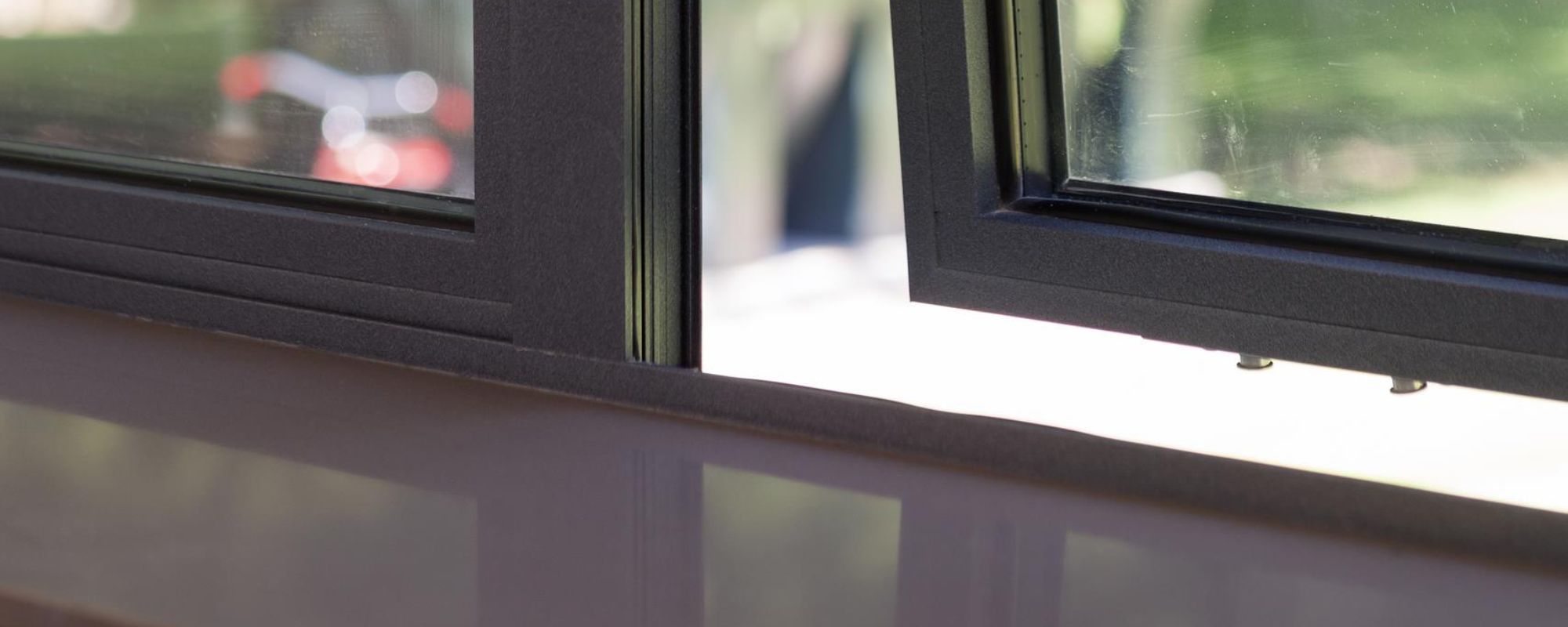
    A window sash is the movable or fixed frame that holds the glass panes in place within a window structure. It is an integral part of both single-hung and double-hung windows, as well as casement and sliding windows.

    The sash is responsible for supporting the glass while allowing the window to open and close smoothly. Depending on the type of window, the sash may be operable (movable) or stationary. It is typically made of materials such as wood, vinyl, aluminum, or fiberglass.

    Key Characteristics of a Window Sash:

    • It is a framed unit that holds the glass panes together.
    • It can be either movable or fixed, depending on the window type.
    • It contributes to the structural integrity and insulation of the window.
    • It is usually fitted with tracks, hinges, or pulleys for smooth operation.

    How to Identify a Window Sash?

    Identifying a window sash requires an understanding of how different types of windows function. The sash is generally the main component that allows the window to move or holds the glass panes in place. Here are some ways to identify a window sash:

    Check for Movable Sections

    • In double-hung or single-hung windows, the sash is the part of the window that moves up and down.
    • In casement windows, the sash is the section that swings open like a door.
    • In sliding windows, the sash is the horizontal panel that slides side to side.

    Look at the Frame Around the Glass

    • The sash is usually the rectangular or square frame that holds the glass securely in place.
    • It often has seals or weather stripping to prevent air leaks and improve insulation.

    Examine the Locking Mechanism

    • The window lock is generally attached to the sash.
    • If the window has two moving sashes, the locking mechanism is usually located where the two sashes meet in the middle.

    Identify the Window Type

    Since the sash operates differently depending on the window style, knowing the type of window you have will help in identifying the sash more easily.

    Different Types of Window Sashes

    The design and function of a window sash vary based on the type of window. Below are some of the most common window types and how their sashes operate:

    Single-Hung Windows

    • Feature one movable sash (the lower sash moves up and down, while the upper sash remains fixed).
    • The sash is identified as the section that slides vertically within the frame.

    Double-Hung Windows

    • Have two movable sashes, both the upper and lower sections can slide up and down.
    • The sashes are identifiable as the top and bottom frames that hold the glass.

    Casement Windows

    • Have a single sash that swings open outward using a hinge.
    • The sash is the entire framed unit that holds the glass and is attached to a hinge on the side.

    Sliding Windows

    • Have one or more horizontal sashes that slide side to side.
    • The sash is the moving section that glides along the track.

    Fixed Windows

    • Do not have a movable sash since they are permanently fixed in place.
    • The sash in a fixed window is essentially the outer frame that secures the glass.

    The Importance of a Window Sash

    A window sash is more than just a frame for the glass. It plays a significant role in the energy efficiency, security, and durability of the window.

    Provides Structural Support

    • The sash keeps the glass securely in place, preventing movement or shifting over time.
    • It ensures the window remains properly sealed to reduce drafts and energy loss.

    Enhances Energy Efficiency

    • Well-constructed sashes help in maintaining indoor temperatures by reducing heat loss in winter and heat gain in summer.
    • Modern sashes often come with insulated glass and weather stripping for improved thermal performance.

    Improves Security

    • The locking mechanisms are usually installed on the sash, making it a critical component in window security.
    • A damaged sash can make the window easier to open from the outside, increasing security risks.

    How to Maintain a Window Sash?

    Since window sashes are constantly exposed to environmental elements, proper maintenance is essential for ensuring their longevity. Below are some ways to maintain a window sash:

    Regular Cleaning

    • Use a mild detergent and water to clean the sash frame and remove dirt and debris.
    • Avoid harsh chemicals that could damage the material, especially for wood sashes.

    Inspect for Damage

    • Check for signs of warping, cracking, or rotting, especially in wooden sashes.
    • Ensure the weather stripping and seals are intact to prevent drafts.

    Lubricate Moving Parts

    • For sliding and hung windows, apply lubricant to tracks and pulleys to maintain smooth operation.
    • Avoid using oil-based lubricants, as they can attract dust and dirt.

    Repaint or Seal When Necessary

    • Wooden sashes require periodic repainting or sealing to protect them from moisture and sun damage.
    • Vinyl and aluminum sashes may need occasional cleaning and polishing to maintain their appearance.

    When to Replace a Window Sash?

    Over time, a window sash may become damaged, warped, or inefficient, leading to poor window performance. Some signs that indicate the need for a sash replacement include:

    • Difficulty opening or closing the window due to misalignment.
    • Drafts or increased energy bills due to gaps in the sash frame.
    • Visible damage, such as cracks, rot, or warping in the sash.
    • Condensation between glass panes, which indicates a failed seal.

    If the sash is beyond repair, replacing it can restore functionality and improve energy efficiency without having to replace the entire window.

    Conclusion

    Identifying a window sash is essential for understanding how your windows function and ensuring proper maintenance or replacement when necessary. By knowing where the sash is located and how it operates, homeowners can make informed decisions about repairs, energy efficiency improvements, and window upgrades.

    A well-maintained window sash contributes to better insulation, security, and aesthetic appeal, making it a vital component of any window structure. Whether you have a single-hung, double-hung, casement, or sliding window, recognizing the sash will help in keeping your windows in optimal condition for years to come.

  • Condensation on Outside of Double Glazed Windows

    Condensation on Outside of Double Glazed Windows

    New double or triple-glazed windows enhance the appearance of a property while providing improved security, thermal performance, and interior comfort. They also help reduce condensation compared to older single-glazed wooden or metal windows; however, you might notice condensation on outside of double glazed windows during certain times of the year.

    It’s important to note that condensation on the exterior of double-glazed windows is not a cause for concern. This occurs because the new windows effectively prevent heat loss from inside the room. However, if you see condensation between the two panes of glass within the sealed unit, and it is not accessible to touch, this indicates that your double-glazed unit needs to be replaced.

    Here is what you need to know About Condensation on Outside of Double Glazing.

    1. Condensation on the outer glass panel of double-glazed windows suggests that they are energy-efficient.  

    The double-glazed windows made from aluminium, uPVC, or timber available today are more energy-efficient than ever. So, why does condensation occur on the outside of double-glazing? The truth is that some moisture or condensation is common, even on the newest windows.

    Whether you choose thermally broken aluminium, multi-chamber uPVC, or solid profiles of natural wood, the design of modern windows reduces heat loss and helps save money on energy bills. The insulated window frames work in conjunction with advanced glass units that feature coatings and gases, making use of the latest glass technology.

    This energy efficiency aligns with current Building Regulations. Window Energy Ratings and U-Values are set to improve, which bodes well for those looking for the best new windows available.

    However, one consequence of modern window frames and high-specification glass is the appearance of condensation on the outside of double-glazed units. This happens when the outside temperature is warmer than the outer pane of glass. The low-emissivity coatings and the additional pane of glass in triple glazing prevent heat from escaping to the outside. As a result, the outer pane remains cool and condensation forms on it.

    Regardless of whether your new windows have a good C rating, a very good B rating, or an excellent A rating, they are functioning properly by keeping heat inside the room and blocking cold air from entering. Therefore, do not be alarmed if you notice condensation on the outer pane of your new windows; they are simply doing their job.

    2. What to do when you see condensation between the panes of glass?

    If you notice condensation forming between the two panes of glass inside a sealed unit, it indicates that your double-glazed unit needs to be replaced. This usually means that the hermetic seal that holds the glass panes together has failed, allowing air and moisture to enter. In this case, it’s time to change the glass, although you may not need to replace the entire window itself.

    Condensation on the inside of double-glazed windows is not a fault; instead, it is often a natural consequence of how we live in our homes. Activities such as cooking, drying laundry indoors, heating, showering, and even breathing release moisture into the air, which can lead to condensation.

    When water vapor comes into contact with a cold surface, like the glass of a window, it turns back into liquid and settles there. Even with modern double-glazed windows, condensation on the interior cannot be completely avoided. However, there are several steps you can take to reduce moisture in your rooms and, consequently, condensation.

    1. Use Trickle Vents: If your windows are equipped with trickle ventilators, keep them open to allow a steady flow of fresh air into your room. These small and discreet vents are an effective way to improve ventilation.
    2. Ventilate Regularly: Open windows whenever possible to let fresh air circulate throughout your home. Avoid creating excess moisture by refraining from drying clothes over radiators or running a tumble dryer in a closed room. Leaving internal doors open can improve air circulation.
    3. Bathroom and Kitchen Ventilation: Make sure to ventilate your bathrooms while bathing or showering, and do the same in the kitchen while cooking.

    For more information about the causes of condensation in the home, you can visit the Glass and Glazing Federation website.

    3. Why does condensation on outside of double glazed windows occur in the morning?

    Condensation on the outside of double glazing is a common occurrence and can be compared to the moisture that sometimes appears on car windows during certain weather conditions. This happens because moisture tends to settle on the first cold surface it encounters, which in this case is the outer glass of the window.

    You might notice condensation forming in the centre of the window panes or in other areas, while the edges where the glass meets the insulated frame often show less condensation.

    Once the external temperature rises, you’ll likely see the moisture evaporate, leaving you with a clear view through the glass. This natural process is a reminder of how temperature differences can affect the visibility of condensation, and it typically resolves itself with changing weather conditions.

    4. New windows cannot completely eliminate condensation.

    Many people believe that installing new windows will resolve condensation issues experienced with old, single-pane windows. While replacing outdated windows with modern, insulated ones will certainly improve the situation, be cautious of any salesperson who claims that condensation will no longer be a problem.

    As mentioned, various factors contribute to moisture formation on windows, and it’s essential to understand that this is not solely the window’s fault. While cutting-edge window technology and design can enhance your living space, no new window will entirely eliminate condensation.

    Condensation on Outside of Double Glazed Windows
    Condensation on Outside of Double Glazed Windows

    5. Why you should not worried condensation on the outside of double-glazed window?

    Condensation on the outside of double glazing is completely normal and not a cause for concern. This occurs because modern window frames and glass are highly effective at preventing heat loss from your home.

    While condensation can obstruct your view and be somewhat frustrating, it’s important to understand that it is a natural phenomenon. However, it’s a good idea to take steps to reduce moisture levels inside your room.

    If you have any concerns or questions about condensation and your windows, please feel free to reach out to us. We are here to help!